
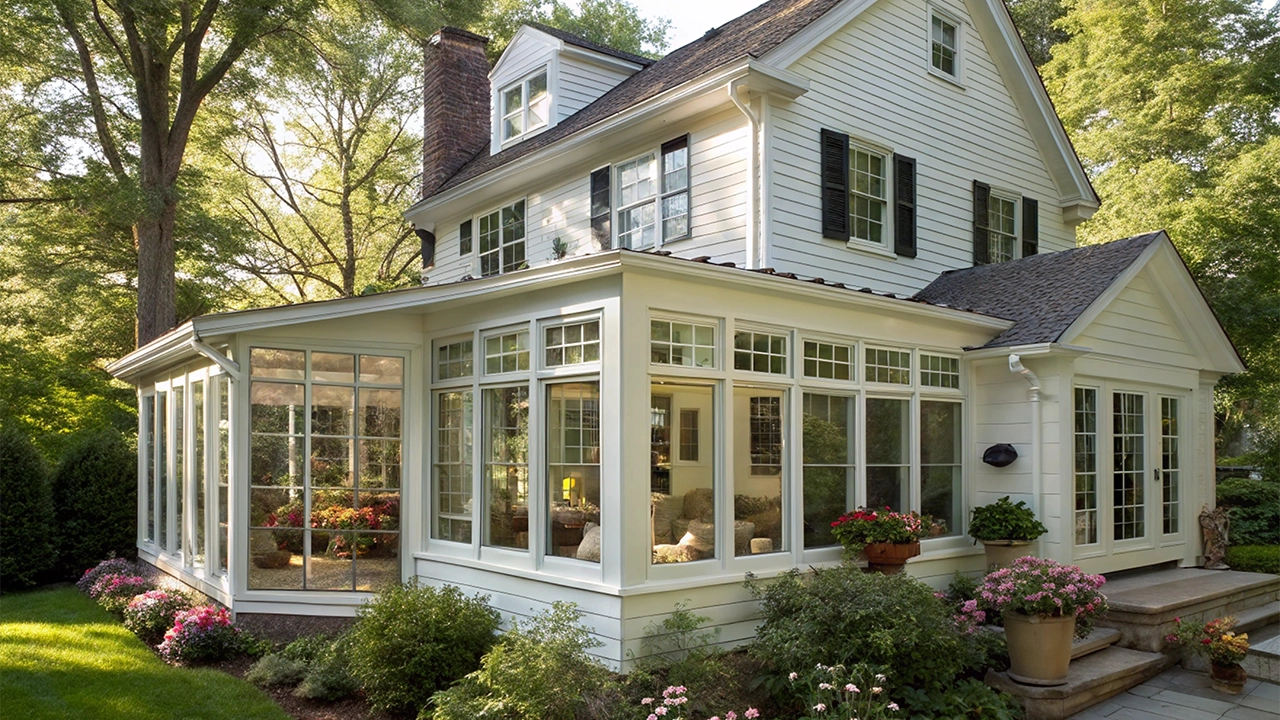
Adding space to a home can dramatically improve how a house functions. Whether the goal is to create a larger kitchen, add a family room, build a primary suite, or expand living space for a growing family, a well-designed home addition can transform both comfort and property value.
However, home additions are among the most complex remodeling projects a homeowner can undertake. Unlike interior remodeling, additions require careful coordination between architectural design, structural engineering, zoning regulations, foundation work, roofing integration, and mechanical systems.
After more than four decades of remodeling homes throughout Tulsa, we have seen additions that blend seamlessly with the original house—and others that feel awkward, poorly integrated, or unnecessarily expensive.
Fortunately, most problems occur because of a handful of common planning mistakes. Understanding these pitfalls before construction begins can help ensure that your home addition enhances both the function and value of your home.
Mistake #1 – Failing to Consider How the Addition Connects to the Existing Home
One of the most common problems with home additions occurs when the new space feels disconnected from the original house. Floor heights, ceiling heights, circulation patterns, and architectural style must all be carefully integrated. When these elements are not considered during the design phase, the addition may feel like an afterthought rather than a natural extension of the home.
Mistake #2 – Ignoring Structural Requirements
Home additions often require structural changes that extend beyond the new room itself. Foundations, load-bearing walls, roof framing, and support beams must all be engineered properly. Attempting to shortcut structural planning can lead to costly corrections later in the project.
Mistake #3 – Underestimating Mechanical System Changes
When square footage is added to a home, the existing heating, cooling, and electrical systems may no longer be sufficient. HVAC equipment may need to be expanded or replaced, electrical panels may require upgrades, and plumbing systems must be extended correctly.
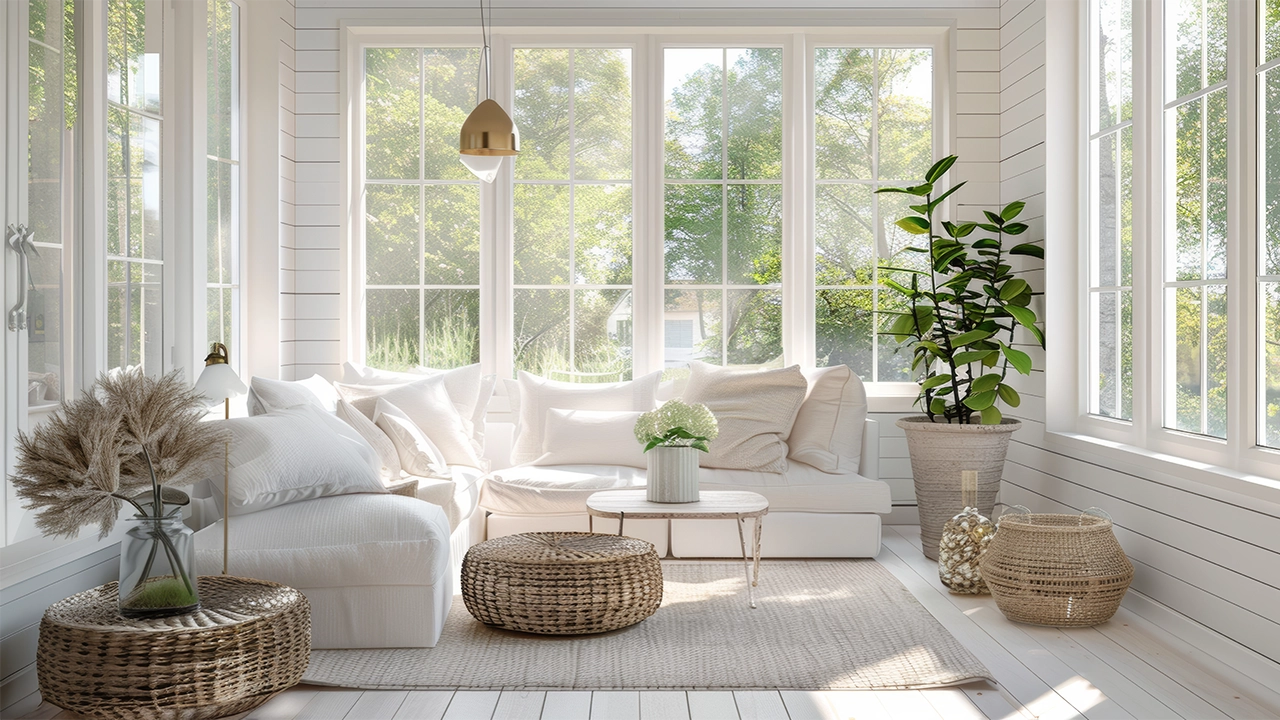
Mistake #4 – Overlooking Natural Light
One of the biggest advantages of a home addition is the opportunity to bring more natural light into the house. Unfortunately, some additions are designed without careful consideration of window placement, resulting in spaces that feel darker than the original home.
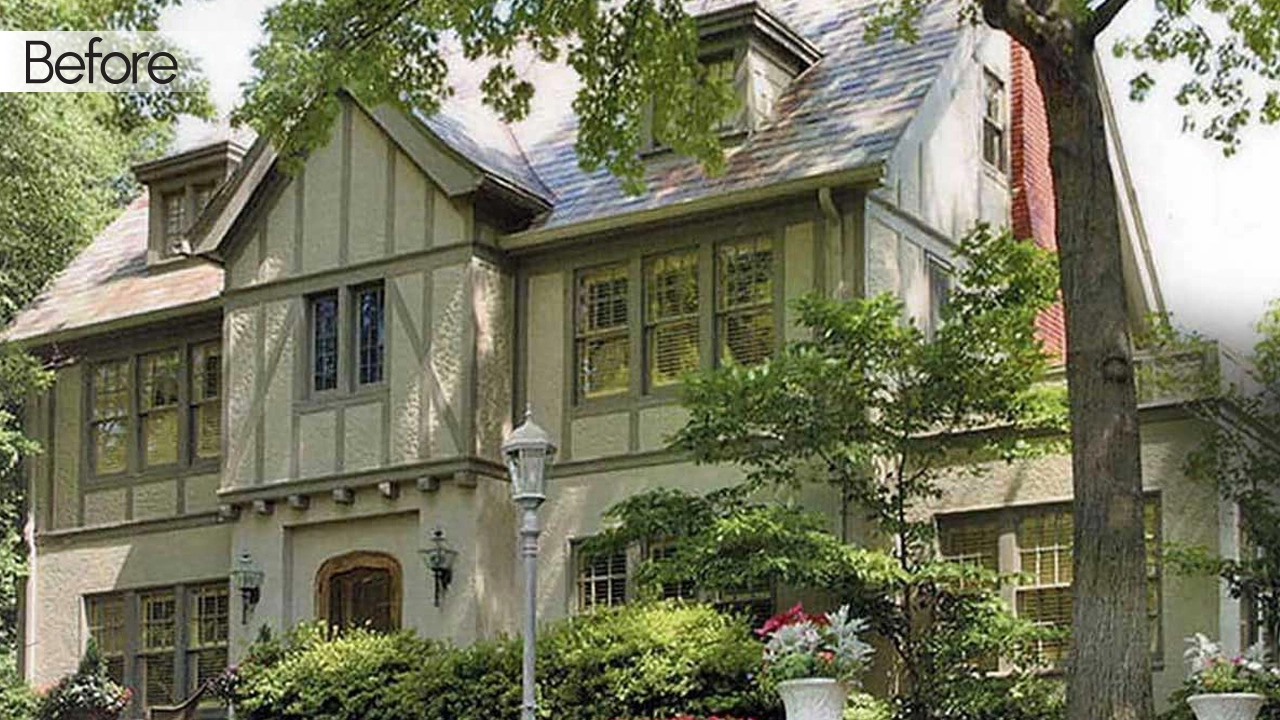
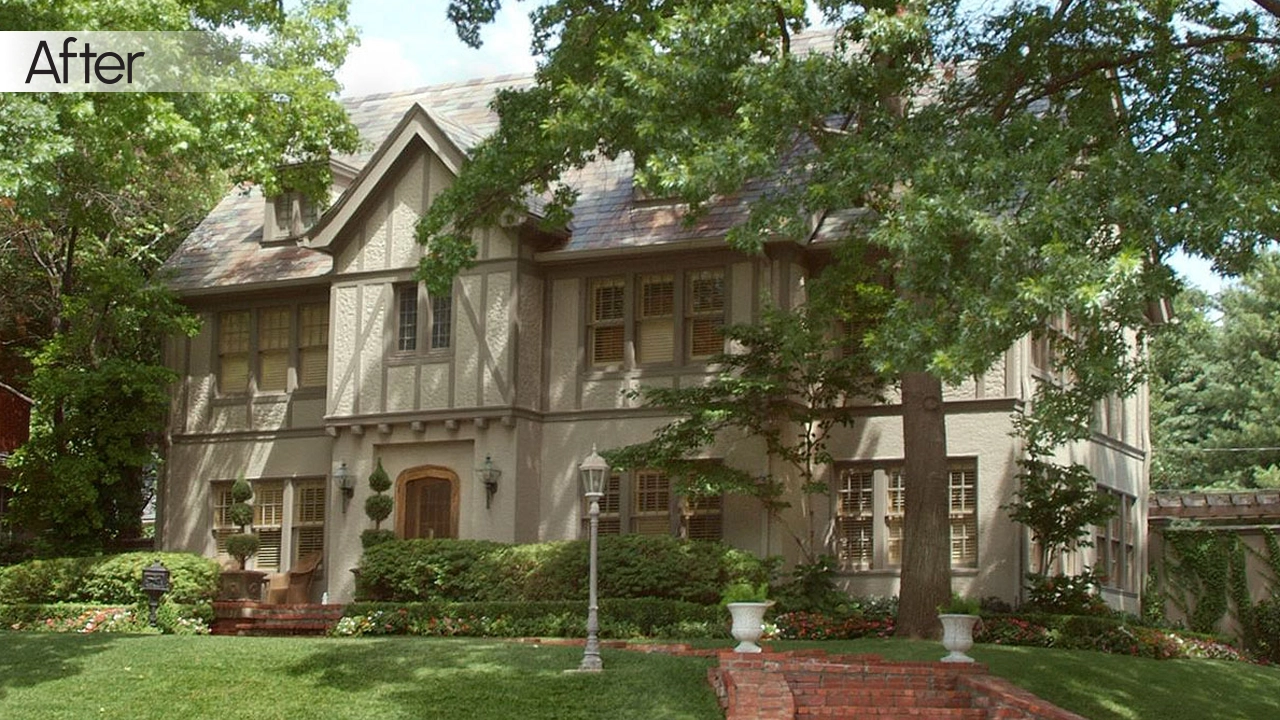
Mistake #5 – Creating Awkward Exterior Architecture
An addition should look like it was always part of the home. Rooflines, siding materials, window proportions, and architectural details must match the existing structure. Poorly designed additions can make a home look unbalanced or visually confusing.
Mistake #6 – Not Planning for Storage
When families add space to their homes, they often focus on the main function of the room while overlooking storage needs. Built-in cabinetry, closets, and multi-purpose storage areas can dramatically improve how useful the new space becomes.
Mistake #7 – Ignoring Local Zoning and Setback Requirements
Every city has zoning regulations that govern how additions can be constructed. These rules may affect how close construction can occur near property lines, maximum building heights, and allowable lot coverage.
Mistake #8 – Hiring a Contractor Without Design-Build Experience
Home additions require coordination between design, engineering, and construction. When these responsibilities are handled by separate parties without proper coordination, misunderstandings and delays can occur.
A successful home addition should feel like it has always belonged to the house. When thoughtfully designed and carefully constructed, additions can dramatically improve the livability of a home while also increasing its long-term value.
At The Buckingham Group, we have spent more than 44 years helping Tulsa homeowners expand and transform their homes through well-designed additions. Our design-build approach ensures that architecture, structure, and construction are all coordinated from the very beginning of the project.
© 2026 The Buckingham Group — Tulsa’s Premier Design-Build Remodeler | www.bgtulsa.com
Recent Remodeling Insights
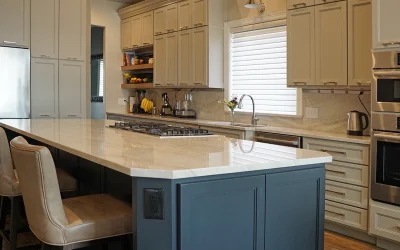
10 Kitchen Islands as Hardworking as They Are Handsome
Discover 10 beautiful and hardworking kitchen island ideas that combine smart storage, durable materials, and comfortable gathering space for Tulsa homes.
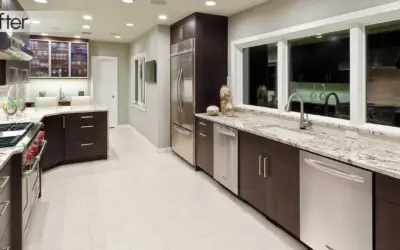
Before You Design Your Tulsa Kitchen, Read This: The Hidden Resources That Separate Average Remodels from Extraordinary Ones
At The Buckingham Group, we have spent more than 45 years helping Tulsa homeowners design kitchens that are not only beautiful, but highly functional, durable, and tailored to the way they live.

You’ll Wish Your Bathroom Did This: How Smart Materials & Tech Are Transforming Bathrooms
We begin each project by evaluating structural integrity, verifying proper support, and ensuring the space can safely accommodate modern upgrades without compromising stability.