
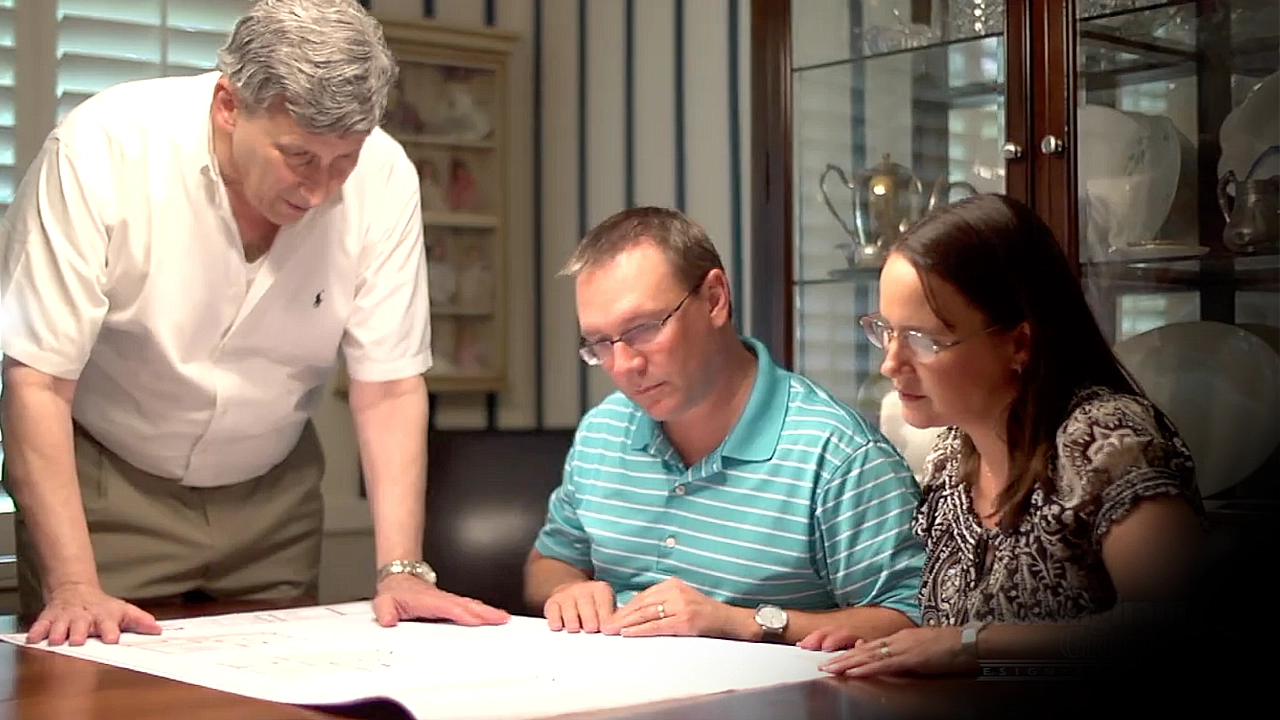
The most successful remodeling projects begin long before construction starts — with thoughtful planning and clear priorities.
In this Article You'll Discover
✓ Why most remodeling regrets happen before construction
✓ The four questions every homeowner should answer
✓ How to avoid expensive planning mistakes
✓ Why lighting matters more than most homeowners realize
✓ The secret to future-proofing your investment
✓ How the Design-Build process reduces remodeling risk
Introduction: The Remodeling Regrets Nobody Talks About
Every homeowner who begins a remodeling project starts with a vision.
They picture holiday dinners around a larger kitchen island. They imagine a primary bathroom that feels more like a luxury retreat than a crowded morning traffic jam. They dream about finally creating enough space for family gatherings, grandchildren, hobbies, or entertaining friends.
The vision is exciting because remodeling isn’t really about construction. It’s about possibility.
It’s about creating a home that better supports the way you want to live. Yet several years after a remodeling project is completed, many homeowners quietly admit they would make different decisions if given another opportunity.
- Not necessarily different contractors.
- Not necessarily different materials.
- Different decisions.
- They wish they had added more storage.
- They wish they had thought more carefully about lighting.
- They wish they had anticipated how their family would use the space five years later rather than how they used it on the day construction began.
- They wish they had spent more time planning.
After more than 45 years helping Tulsa-area homeowners transform their homes, we have noticed a fascinating pattern. The projects that generate the highest levels of long-term satisfaction are not always the largest projects. They are not always the most expensive projects. They are almost always the best-planned projects.
That’s because most remodeling regrets don’t originate during construction. They originate before construction ever begins. The good news is that most of those regrets are entirely preventable.
The key is understanding how thoughtful planning influences every decision that follows.
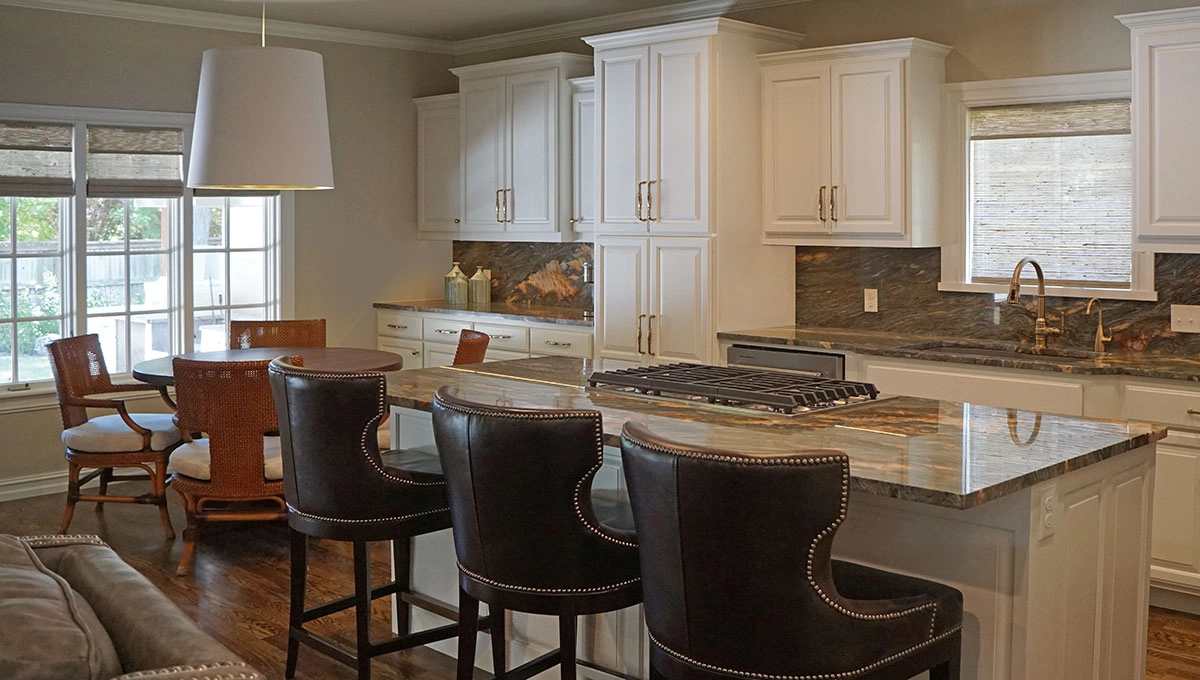
The most successful remodeling projects begin with thoughtful planning long before construction starts.
The Biggest Remodeling Mistakes Usually Happen Before Construction
Most homeowners assume remodeling success depends primarily on construction.
- Will the contractor show up?
- Will the craftsmanship be good?
- Will the project finish on schedule?
- Those concerns matter.
But they are often not the source of long-term dissatisfaction.
Consider a beautifully built kitchen.
The cabinetry is flawless. The countertops are stunning. The tile work is exceptional.
Yet six months later the homeowner realizes the refrigerator interrupts workflow every time meals are prepared. Or perhaps the island is beautiful but lacks enough seating for family gatherings. Or maybe there isn’t enough pantry storage to support the way the family actually shops and cooks.
None of these problems result from poor construction. They result from planning decisions.
Construction is simply the execution of decisions made during design. If the plan is flawed, even excellent craftsmanship cannot fully solve the problem. This reality is one reason thoughtful planning creates such tremendous value. Every hour spent refining the design before construction begins can save frustration, expense, and regret later.
Why Beautiful Inspiration Photos Can Lead Homeowners Astray
Today’s homeowners have access to more inspiration than ever before.
- Pinterest.
- Instagram.
- Houzz.
- YouTube.
- Television.
- Design magazines.
The challenge is that photographs rarely reveal functionality.
A picture can show beautiful countertops. It cannot show whether the kitchen works efficiently.
A photo can display elegant cabinetry. It cannot reveal whether the storage design supports everyday life.
A bathroom image can showcase stunning finishes. It cannot demonstrate whether two people can comfortably use the space at the same time during a busy morning routine.
This is one reason homeowners sometimes become disappointed even after receiving exactly what they requested. The image they fell in love with represented appearance. It didn’t necessarily represent function. The most successful remodeling projects begin differently.
Rather than asking: “What do we want our home to look like?”
They ask: “How do we want our home to work?”
That subtle shift changes everything. Beauty remains important. But beauty is paired with functionality from the beginning. The result is a space that looks exceptional and performs exceptionally.
The Four Questions Every Homeowner Should Answer Before Design Begins
One of the most valuable exercises in remodeling happens before floor plans are drawn. It involves asking the right questions.
Question #1: What Frustrates You About Your Home Today?
This sounds simple. Yet it often reveals the true purpose of the remodel. Perhaps the kitchen lacks storage. Perhaps guests always gather in areas too small for entertaining. Perhaps there is no comfortable place for grandchildren to visit. Perhaps the primary bathroom creates daily stress because two people are constantly competing for space.
Understanding frustrations helps identify the real problems that need solving.
Without that clarity, homeowners sometimes spend significant money improving the appearance of a space without improving how it functions.
Question #2: How Do You Want to Live After the Remodel?
This question shifts the conversation from rooms to experiences.
- Instead of discussing cabinetry, homeowners discuss cooking together.
- Instead of talking about square footage, they talk about family gatherings.
- Instead of focusing on finishes, they focus on lifestyle.
The answers often reveal priorities that dramatically influence design decisions. A homeowner who loves entertaining may need a completely different kitchen than someone who primarily cooks for two. A family with grandchildren may prioritize flexibility differently than empty nesters.
Understanding lifestyle goals creates a roadmap for every design decision that follows
Question #3: What Might Life Look Like Five to Ten Years From Now?
Many remodeling projects are designed entirely around current needs. That approach can create future regrets.
- Children grow.
- Parents age.
- Careers evolve.
- Work-from-home requirements change.
- Health considerations emerge.
The best remodeling projects solve today’s problems while anticipating tomorrow’s opportunities. Future-focused planning does not mean predicting every life change. It simply means creating flexibility.
Homes that adapt gracefully tend to provide greater long-term satisfaction.
Question #4: What Matters Most?
- Every remodeling project involves trade-offs.
- Every budget has limits.
- Every home has constraints.
The question becomes: What matters most?
- For some homeowners, entertaining is the priority.
- For others, storage.
- For others, aging comfortably in place. Living Well at Any Age™
Clearly defining priorities helps ensure resources are invested where they create the greatest value. Without priorities, homeowners often spread investments evenly across the project.
With priorities, they can focus resources on the features that will have the greatest impact on daily life.
The Hidden Cost of Rushing the Planning Process
Few homeowners regret spending too much time planning. Many regret spending too little.
The excitement of remodeling naturally creates urgency. Once the decision to remodel has been made, homeowners often want construction to begin immediately. Unfortunately, rushing can become expensive.
When planning is abbreviated, important questions remain unanswered.
- Alternative layouts are never explored.
- Storage opportunities are overlooked.
- Budget implications are not fully understood. Explore our Remodeling Cost Guides.
- Selections are made under pressure rather than with confidence.
The result can be change orders, delays, budget surprises, and lingering dissatisfaction. Thoughtful planning should never be viewed as a delay. It is an investment in success.
At The Buckingham Group, we frequently discover that additional planning uncovers opportunities homeowners had never considered. Our Design-Build Process
- Sometimes a small adjustment in layout creates dramatic improvements in functionality.
- Sometimes a storage solution eliminates years of frustration.
- Sometimes a design refinement significantly improves traffic flow throughout the home.
Those discoveries almost always occur during planning—not during construction.
Curious What Your Remodel Might Cost?
Before you finalize your plans, our Remodeling Cost Guides can help you understand realistic investment ranges for kitchens, bathrooms, room additions, outdoor living spaces, and total home remodels.
Why Lighting Creates More Satisfaction Than Most Homeowners Expect
When homeowners discuss remodeling priorities, lighting is rarely at the top of the list.
- Cabinets receive attention.
- Countertops receive attention.
- Flooring receives attention.
- Lighting often becomes an afterthought.
Ironically, lighting is one of the factors that most influences how homeowners feel about a space once construction is complete. Many remodeling regrets can be traced back to inadequate lighting planning.
- A kitchen may look spectacular during the day but feel dark and uninviting at night.
- A primary bathroom may feature luxurious finishes but lack sufficient illumination for daily routines.
- A family room may have beautiful furnishings yet feel uncomfortable because lighting levels are inconsistent.
Professional designers view lighting differently. They don’t think in terms of fixtures. They think in terms of layers.
Ambient Lighting
Ambient lighting provides general illumination for a room. It establishes the overall brightness level and creates a comfortable environment.
Task Lighting
Task lighting supports specific activities such as food preparation, reading, grooming, and hobbies. It improves both safety and functionality.
Accent Lighting
Accent lighting highlights architectural details, artwork, built-ins, and design features. It creates visual interest and depth.
Decorative Lighting
Decorative fixtures contribute personality and style while serving as focal points within a room.
When these layers work together, homeowners rarely think about the lighting. The space simply feels right. That is often the hallmark of great design.
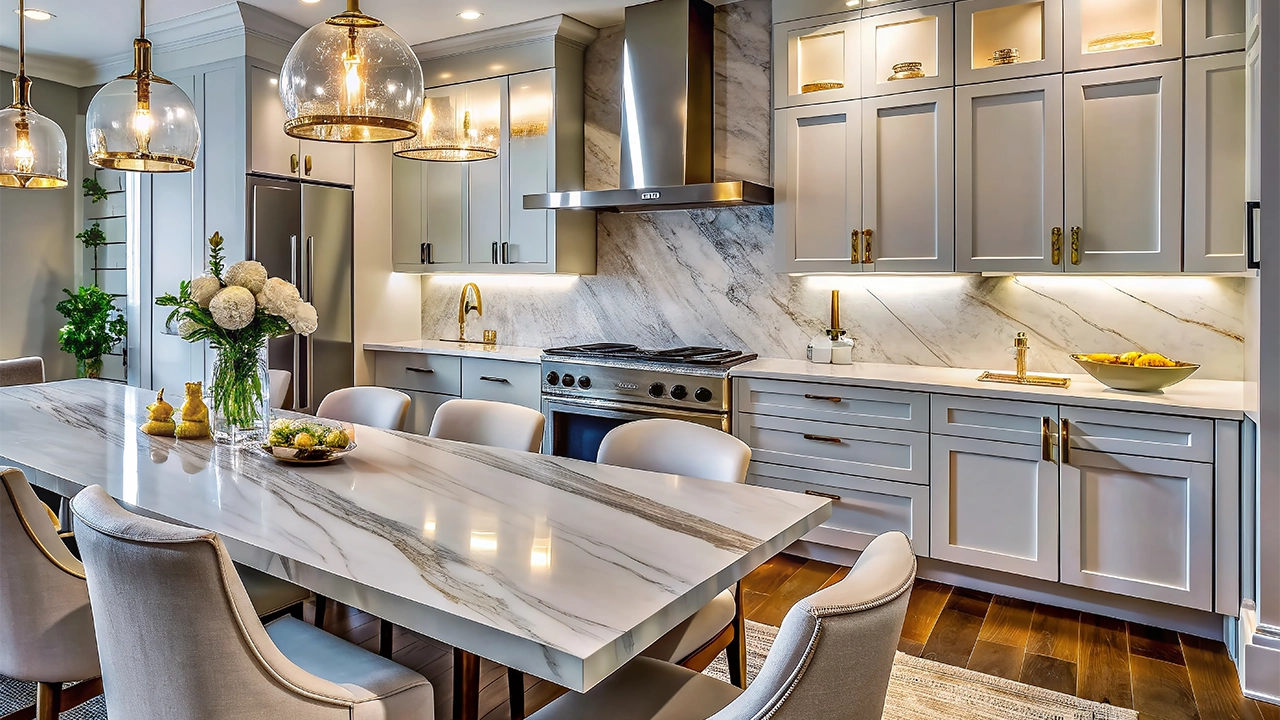
Thoughtfully layered lighting improves both functionality and atmosphere.
The Power of Visualization
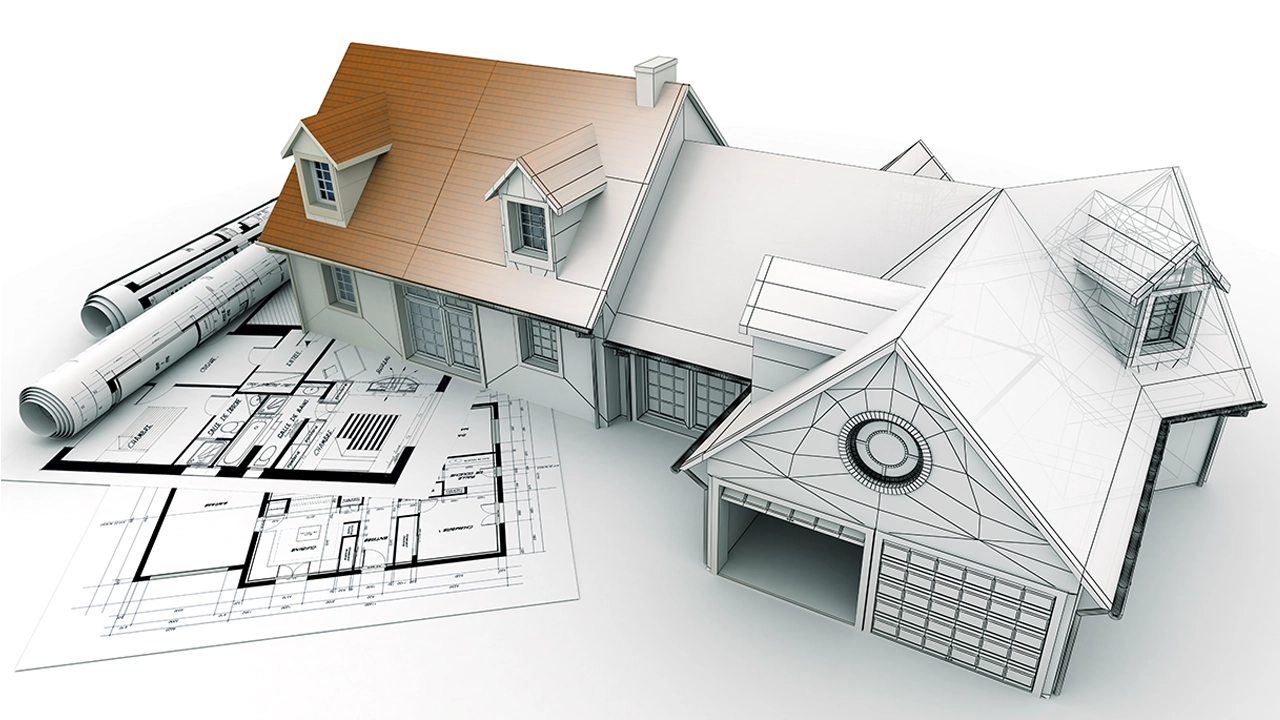
One of the most significant advances in modern remodeling is the ability to visualize a project before construction begins. For many homeowners, floor plans can be difficult to interpret. Experienced designers can mentally see the finished space. Most homeowners cannot.
This is where three-dimensional renderings become incredibly valuable. Visualization allows homeowners to experience their remodel before a single wall is opened.
They can evaluate:
- Room proportions
- Cabinet placement
- Furniture layouts
- Traffic flow
- Sight lines
- Ceiling treatments
- Architectural details
- Lighting concepts
Many of the most valuable design improvements occur during visualization.
- A walkway may feel too narrow.
- A kitchen island may need adjustment.
- A cabinet configuration may create a better storage solution.
- A window placement may improve natural light.
Finding these opportunities during design is easy. Finding them during construction can be expensive. The ability to visualize before building dramatically reduces the likelihood of future regret.

Confidence is the ultimate remodeling luxury.
Thinking About Your Home as a Complete System
One of the biggest mistakes homeowners make is viewing remodeling projects in isolation.
- The kitchen is considered separately from the family room.
- The addition is considered separately from the rest of the house.
- The primary suite is considered separately from circulation patterns.
Exceptional remodeling takes a different approach. It views the home as a complete system. Every improvement influences other areas of the home.
- A kitchen remodel affects entertaining patterns.
- A room addition changes traffic flow.
- An outdoor living project influences how interior rooms are used.
- A primary suite remodel may alter storage requirements throughout the home.
- When remodeling decisions are made holistically, the finished home feels cohesive.
Rooms connect naturally. Architectural details feel intentional. Spaces support one another rather than competing against one another. This systems-based approach is one reason Design-Build remodeling often creates more satisfying results than piecemeal improvements. The goal is not simply improving a room. The goal is improving how the entire home functions.
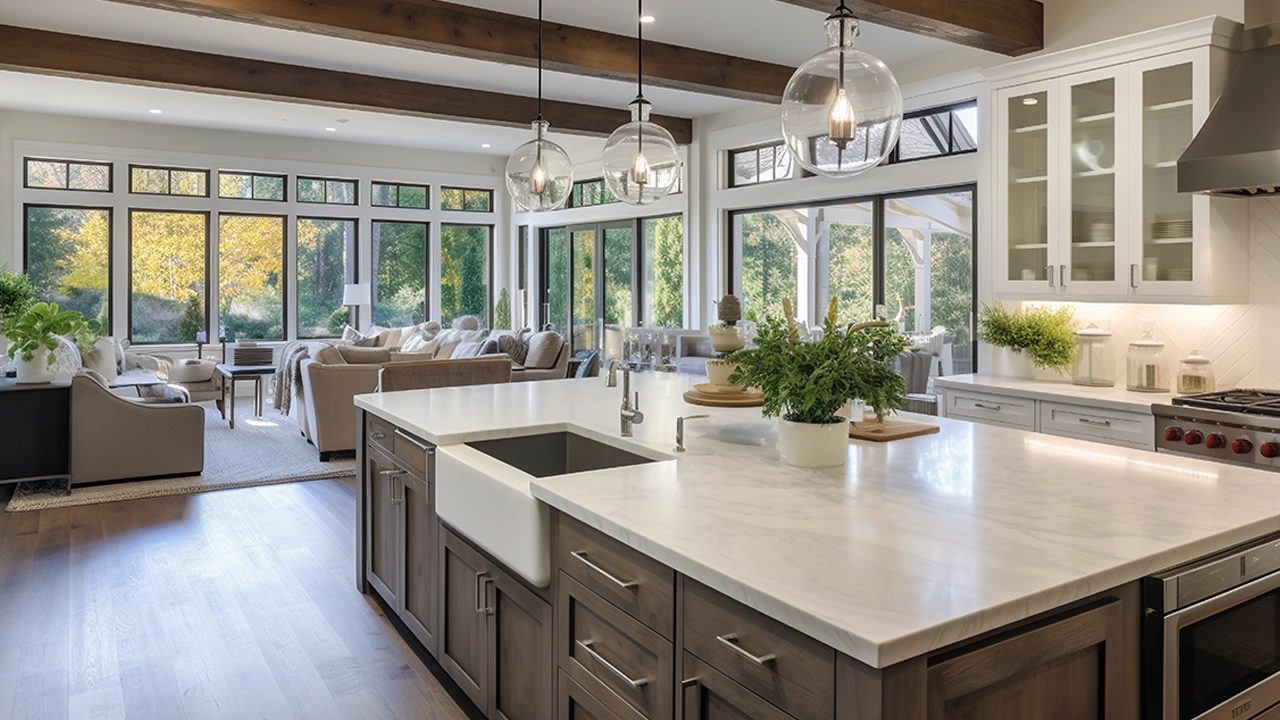
The best remodeling projects improve how the entire home works together.
Future-Proofing Your Investment
Many remodeling decisions focus entirely on present needs. That approach is understandable. However, remodeling is a significant investment that should continue delivering value for decades.
The most successful projects anticipate future needs whenever practical. Future-proofing doesn’t mean designing for old age. It means creating flexibility.
For example:
- Wider doorways improve accessibility and furniture movement.
- Better lighting improves comfort and safety.
- Curbless showers can enhance both luxury and usability.
- Flexible spaces can adapt as family needs change.
- Smart-home infrastructure allows technology to evolve.
- Energy-efficient systems reduce long-term operating costs.
Many homeowners who initially resist these ideas later express gratitude they included them.
Thoughtful future-proofing creates options. And options create long-term satisfaction.
For Tulsa homeowners planning to remain in their homes for many years, this type of planning can be especially valuable.
Thinking About Remodeling
The Tulsa Remodeling Reality: Why Older Homes Require Better Planning
One of the reasons remodeling in Tulsa is so rewarding—and sometimes so challenging—is the incredible variety of homes throughout the area.
Many of the homes in Midtown Tulsa, Brookside, Maple Ridge, Florence Park, and other established neighborhoods possess architectural character that would be difficult and expensive to replicate today. Solid construction, mature landscaping, distinctive details, and desirable locations make these homes attractive investments for remodeling.
At the same time, many of these homes have evolved over decades. Previous owners may have added rooms.
- Kitchens may have been remodeled several times.
- Electrical systems may have been upgraded in stages.
- HVAC systems may have expanded as additions were constructed.
- Floor levels may vary slightly between original structures and later additions.
In some homes, remodeling uncovers a fascinating history of improvements made over fifty, sixty, or even eighty years. This reality makes thoughtful planning even more important.
- A room addition is rarely just a room addition.
- It may affect structural systems.
- It may require electrical upgrades.
- It may reveal opportunities to improve circulation throughout the home.
- It may uncover ways to connect spaces that were never originally designed to work together.
The homeowners who experience the greatest long-term satisfaction are often those who view remodeling as an opportunity to improve the entire home rather than simply updating one room.
When older homes are approached thoughtfully, the result can be remarkable. The character that attracted homeowners to the property in the first place remains intact, while functionality is transformed to support modern living. That balance between preservation and improvement is one of the reasons planning matters so much.
The goal is not simply making an older home newer. The goal is making it work better while preserving what makes it special.
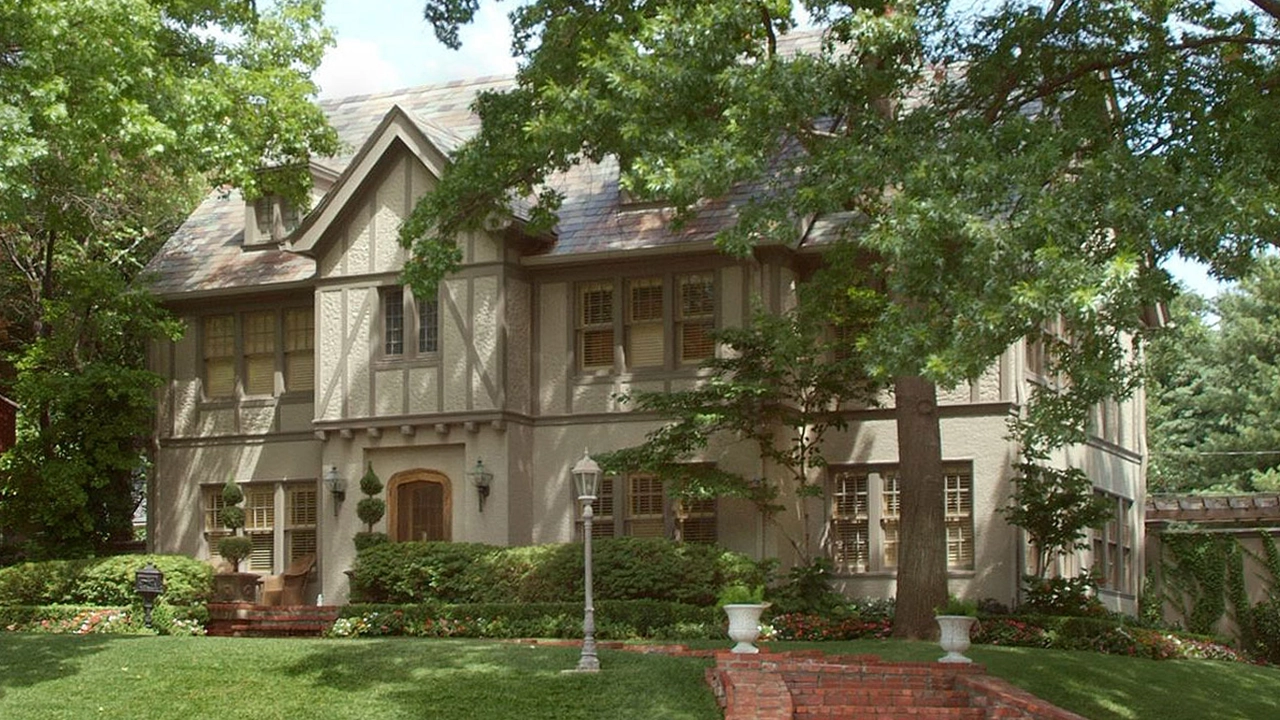
Successful remodeling respects a home’s history while improving how it functions for today’s lifestyle. Room Additions That Make Sense in Tulsa
A Real-World Example of a Planning Decision That Saved Thousands
One of the most valuable benefits of thoughtful planning is discovering better solutions before construction begins. Consider a common scenario.
A homeowner contacts a remodeling company because they believe they need a room addition.
- The family feels cramped.
- Storage is inadequate.
- Entertaining is difficult.
Their first instinct is that additional square footage is the answer.
During the planning process, however, a more detailed analysis of the home’s layout reveals something surprising. The problem isn’t necessarily the size of the home. The problem is how the space is organized.
- Perhaps a rarely used formal dining room occupies valuable square footage.
- Perhaps walls interrupt natural traffic flow.
- Perhaps storage opportunities have never been fully explored.
- Perhaps several rooms are underutilized because of outdated layouts.
In many cases, a thoughtful redesign of existing space can accomplish many of the same goals as an addition while requiring less construction investment.
Other times, the planning process confirms that an addition truly is the best solution—but reveals a more efficient way to design it. Either outcome benefits the homeowner.
Without thoughtful planning, construction begins based on assumptions. With thoughtful planning, construction begins based on understanding. The distinction can save thousands of dollars, reduce construction complexity, and create a better long-term result.
One of the greatest values a professional Design-Build team provides is not simply designing what a homeowner asks for. It is helping homeowners discover solutions they may never have considered. That process often creates opportunities that would otherwise remain hidden.

The best remodeling solution is not always the first solution. Thoughtful planning often uncovers better alternatives.
Planning a Remodel
How The Buckingham Group’s Design-Build Process Reduces Remodeling Regrets
Over the years, we’ve learned that homeowners rarely regret investing in planning. They often regret not having enough of it. That understanding is one reason The Buckingham Group has long embraced the Design-Build approach.
Unlike traditional remodeling models that separate design and construction into independent processes, Design-Build brings the entire team together from the beginning.
- Designers.
- Estimators.
- Selections specialists.
- Construction professionals.
- Project managers.
Everyone contributes during planning rather than waiting until construction begins. This integrated approach creates several important advantages.
Detailed Specifications Reduce Surprises
One of the most common sources of remodeling frustration is uncertainty. When important decisions remain unresolved, misunderstandings become more likely.
- Detailed specifications create clarity.
- Homeowners know what is included.
- The project team knows what is expected.
- Everyone works from the same roadmap.
3D Visualization Improves Decision-Making
Many homeowners find it difficult to interpret floor plans. Three-dimensional renderings allow them to experience the project before construction starts. This process frequently uncovers opportunities for refinement while changes remain easy and inexpensive.
Selections Are Integrated Into the Process
- Cabinetry
- Lighting
- Flooring
- Plumbing fixtures.
- Countertops
- Hardware
These decisions influence both appearance and budget. Addressing them early creates greater predictability and fewer surprises.
Fixed-Price Agreements Create Confidence
One of the biggest concerns homeowners face is uncertainty about cost. A detailed planning process allows projects to be priced with greater confidence. That clarity helps homeowners make informed decisions.
Critical Path Scheduling Improves Efficiency
Careful planning doesn’t simply improve design. It improves execution. By coordinating decisions before construction begins, projects can move more efficiently once work starts.
Long-Term Support Extends Beyond Completion
A remodeling project should not end the day construction is finished. The Buckingham Group’s 5-Year Carpenter Workmanship Warranty and Lifetime Home Care Program reflect a long-term commitment to homeowners long after project completion.

Those programs reinforce an important philosophy. Remodeling success should be measured years later—not simply on completion day.
Ultimately, the Design-Build process exists for one reason: To help homeowners make better decisions before construction begins. Because better decisions create better outcomes. And better outcomes create fewer regrets.

The Design-Build process brings planning, budgeting, and construction together from the beginning.
See How We Make Remodeling Look Easy
Our proven eight-step Design-Build process helps homeowners avoid surprises while keeping projects organized, transparent, and on schedule.
The Real Secret to No-Regret Remodeling
After more than four decades of remodeling homes throughout Tulsa and surrounding communities, one lesson stands above all others. Homeowners almost never regret spending more time planning. They often regret rushing.
The projects that create the greatest satisfaction are not necessarily the projects with the largest budgets. They are the projects where homeowners invested time in understanding their goals.
- They explored alternatives.
- They clarified priorities.
- They anticipated future needs.
- They made informed decisions.
As a result, the finished home feels different.
- It feels intentional.
- It supports daily routines.
- It reduces frustrations.
- It improves comfort.
- It creates enjoyment.
Most importantly, it continues delivering value long after construction has ended. That is the true definition of no-regret remodeling.
Conclusion: Confidence Is the Ultimate Remodeling Luxury
When people think about luxury remodeling, they often think about premium materials.
- Custom cabinetry
- Natural stone
- Professional appliances
- Architectural details
Those elements certainly contribute to a beautiful home. But true luxury begins earlier. True luxury is confidence.
- Confidence that the layout works.
- Confidence that storage needs have been addressed.
- Confidence that lighting supports daily life.
- Confidence that the investment aligns with long-term goals.
- Confidence that important decisions have been thoughtfully considered.
- Confidence that the home will continue serving the family well for years to come.
- That confidence is not created during construction.
It is created during planning. It is created through thoughtful design. It is created through experience. And ultimately, it is what separates a remodel homeowners simply like from one they continue loving for decades.
The path to no-regret remodeling begins long before demolition starts. It begins with a plan. And when that plan is thoughtfully developed, the result is more than a remodeled house. It is a home that supports a better way of living.
See Real Home Transformations
Explore kitchens, bathrooms, room additions, outdoor living spaces, and whole-home remodels completed for Tulsa homeowners.

The ultimate measure of remodeling success is how well a home supports everyday life.
No Regret Remodeling Checklist
✓ What frustrates us most about our home?
✓ How do we want to live after remodeling?
✓ What will our needs look like in five years?
✓ Have we prioritized function as well as appearance?
✓ Have we explored alternatives?
✓ Have we fully visualized the project?
✓ Have we considered long-term flexibility?
Ready to Begin Your Own No-Regret Remodeling Journey?
For more than 45 years, The Buckingham Group has guided Tulsa homeowners through thoughtful planning, expert design, and exceptional craftsmanship.
Let’s start with a conversation.
© 2026 The Buckingham Group — Tulsa’s Premier Design-Build Remodeler | www.bgtulsa.com
Recent Remodeling Insights
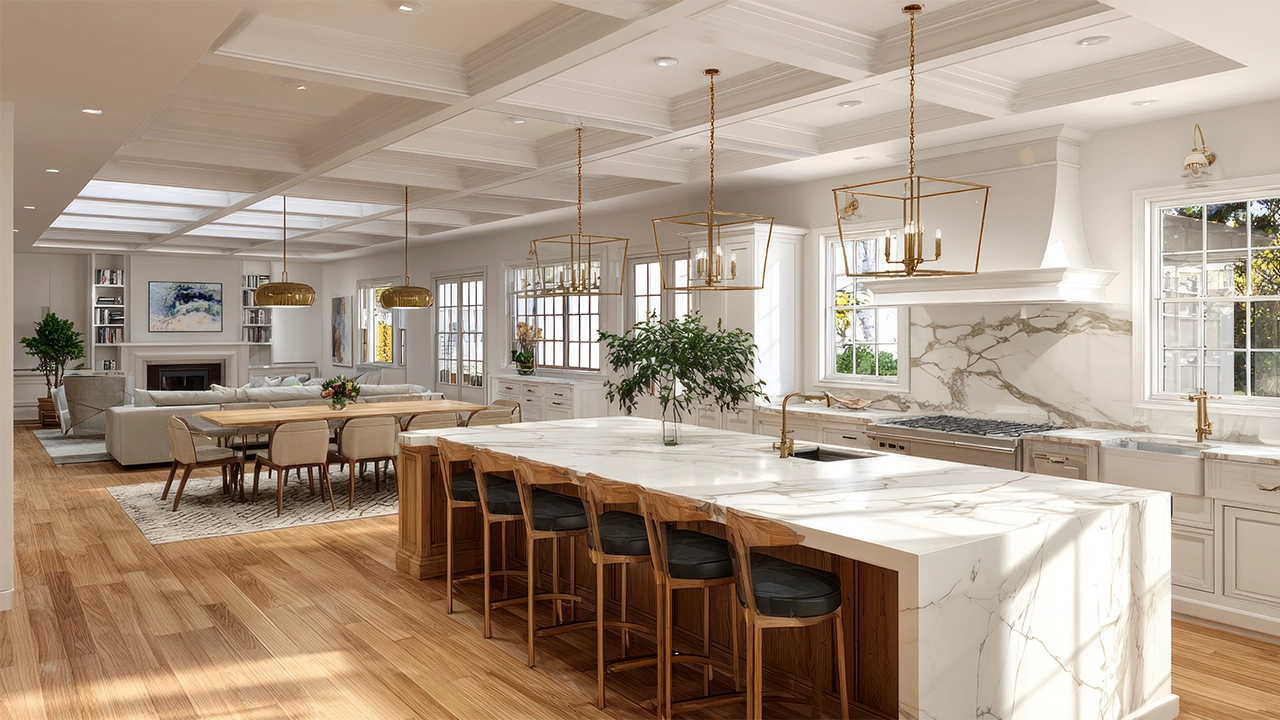
The Homeowners’ Secret Nobody Talks About: Why Some Remodels Make You Want to Stay Forever
Discover how thoughtful remodeling creates a home so comfortable, functional, and personalized that you never want to move again.
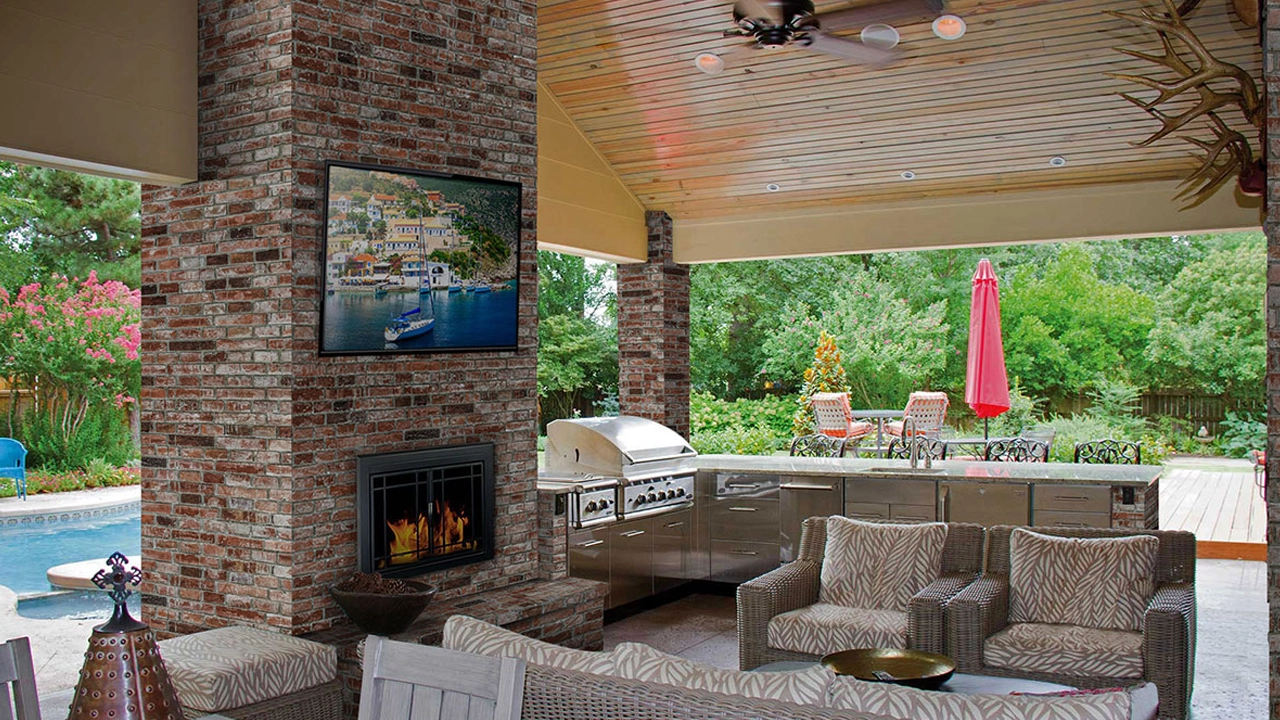
The Ultimate Guide to Creating a Luxury Outdoor Resort in Your Own Backyard
Discover how Tulsa homeowners are creating resort-style outdoor living environments with outdoor kitchens, covered patios, fireplaces, wellness spaces, and seamless indoor-outdoor design.
The Ultimate Guide to Bathroom Remodeling: Everything Homeowners Need to Know Before They Start
This guide was created to give homeowners a clear, honest roadmap. Whether you’re planning a simple refresh or a full-scale transformation, the following sections explain what truly matters, what often goes wrong, and how to make confident decisions before construction ever begins.