Beyond the Remodel: Designing a Home You'll Never Want to Leave
For decades, homeowners have been told that the path to happiness is finding the perfect house. Yet many people eventually discover that the perfect house rarely exists. Every home has compromises, and moving often means trading familiar frustrations for entirely new ones.
Increasingly, Tulsa homeowners are arriving at a different conclusion. Instead of searching endlessly for another property, they are investing in transforming the home they already own into a place that truly supports the way they want to live.
The result is something much more meaningful than a remodel. It is a home designed around comfort, relationships, lifestyle, and long-term enjoyment. It becomes a place that homeowners genuinely never want to leave.
The best remodeling projects are not defined by granite countertops, luxury fixtures, or square footage. They are defined by how people feel when they walk through the front door. They reduce stress. They improve daily routines. They encourage family interaction. They create spaces that feel welcoming, functional, and uniquely personal.
The real goal is not creating a better house. The real goal is creating a better life.
Many remodeling projects begin with practical concerns. A kitchen feels outdated. A bathroom lacks storage. A family needs more space. While these challenges are real, they often point to deeper lifestyle issues. Families may struggle to gather together. Entertaining may feel difficult. Work-from-home arrangements may be frustrating. Aging homeowners may worry about future accessibility.
Thoughtful design starts by understanding how people actually live. Rather than focusing solely on finishes, successful projects begin with questions. Where does the family spend time? What daily frustrations exist? What activities bring the most enjoyment? What needs are likely to change over the next decade?
The answers often reveal opportunities that homeowners had not previously considered. Sometimes the solution is a larger kitchen. Sometimes it is a new primary suite, a home office, a room addition, or an outdoor living area. The design should always support the lifestyle rather than forcing the lifestyle to adapt to the home.
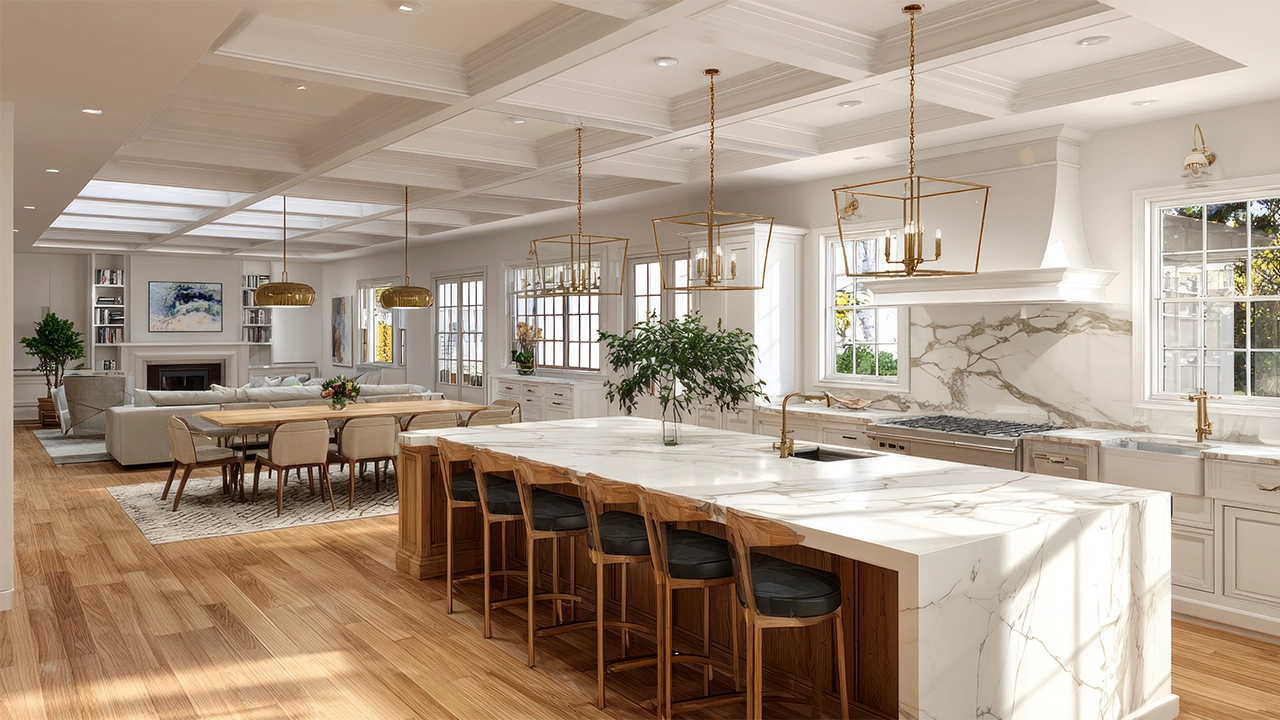
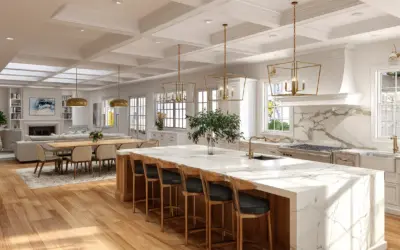
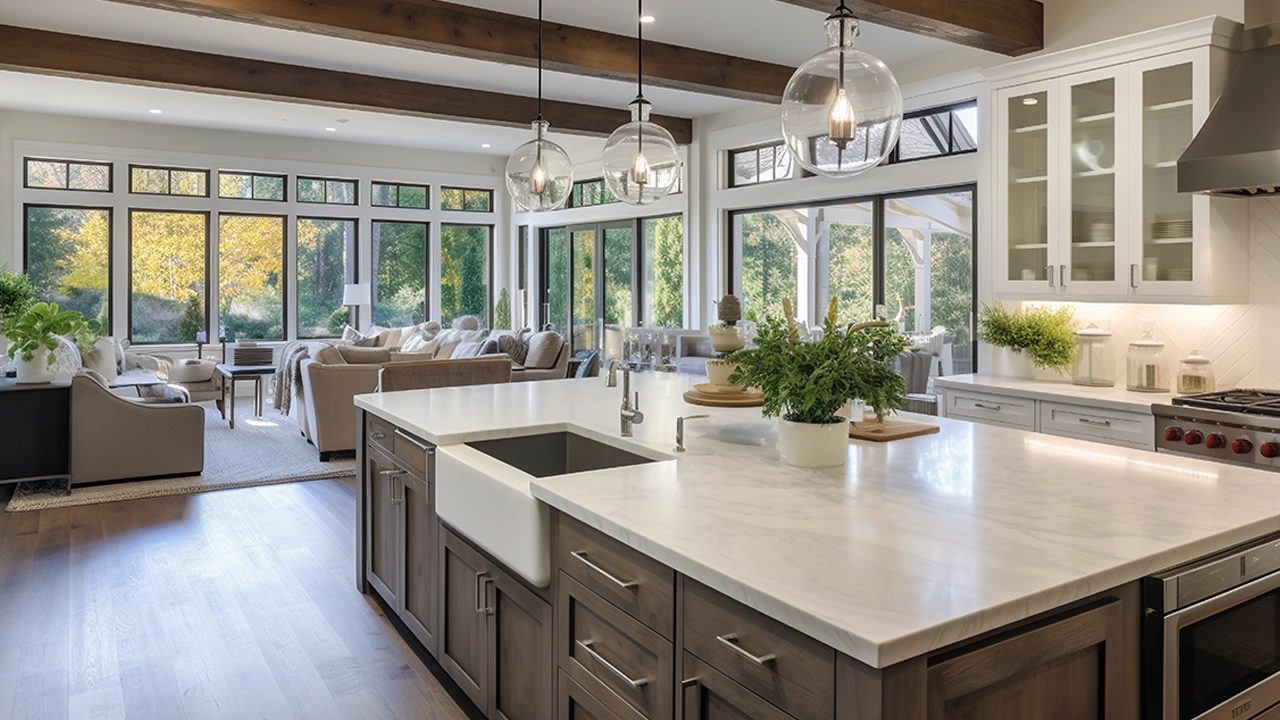
Perhaps no room demonstrates this principle better than the kitchen. Today’s kitchen serves as the heart of the modern home. It is a gathering place, a workspace, an entertainment center, and a family command station. Children do homework there. Friends gather there. Conversations begin and end there.
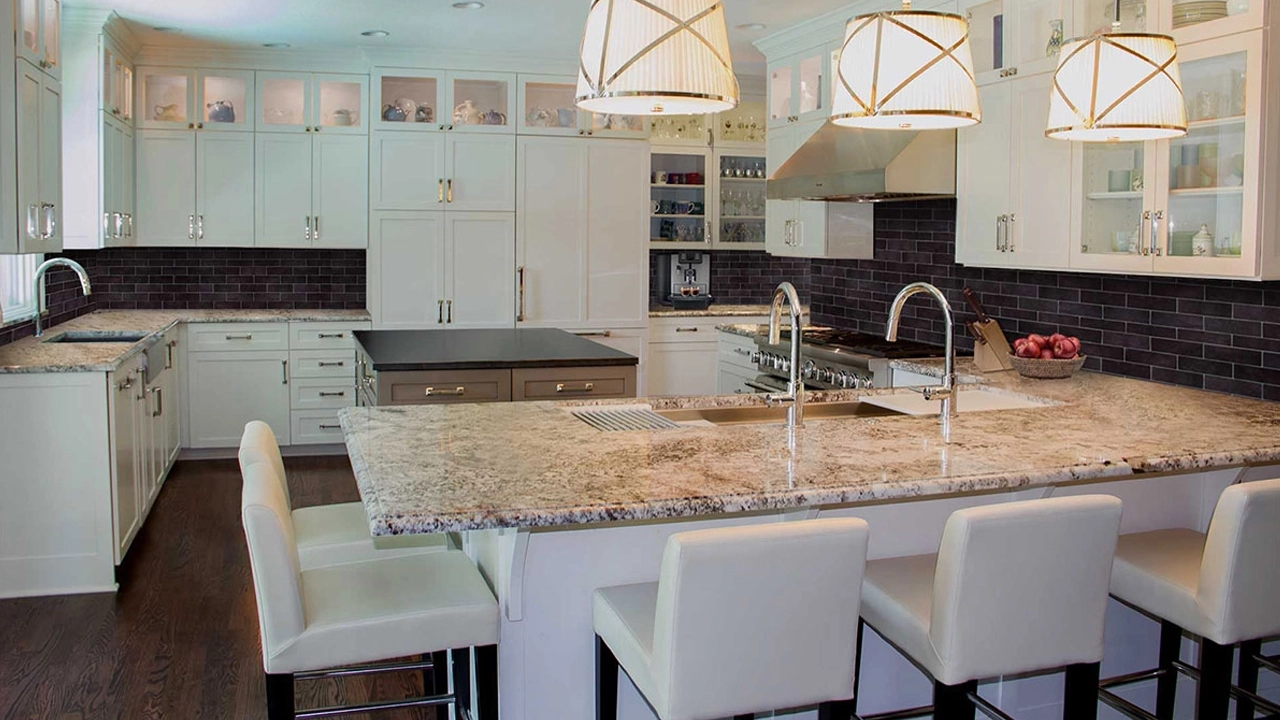
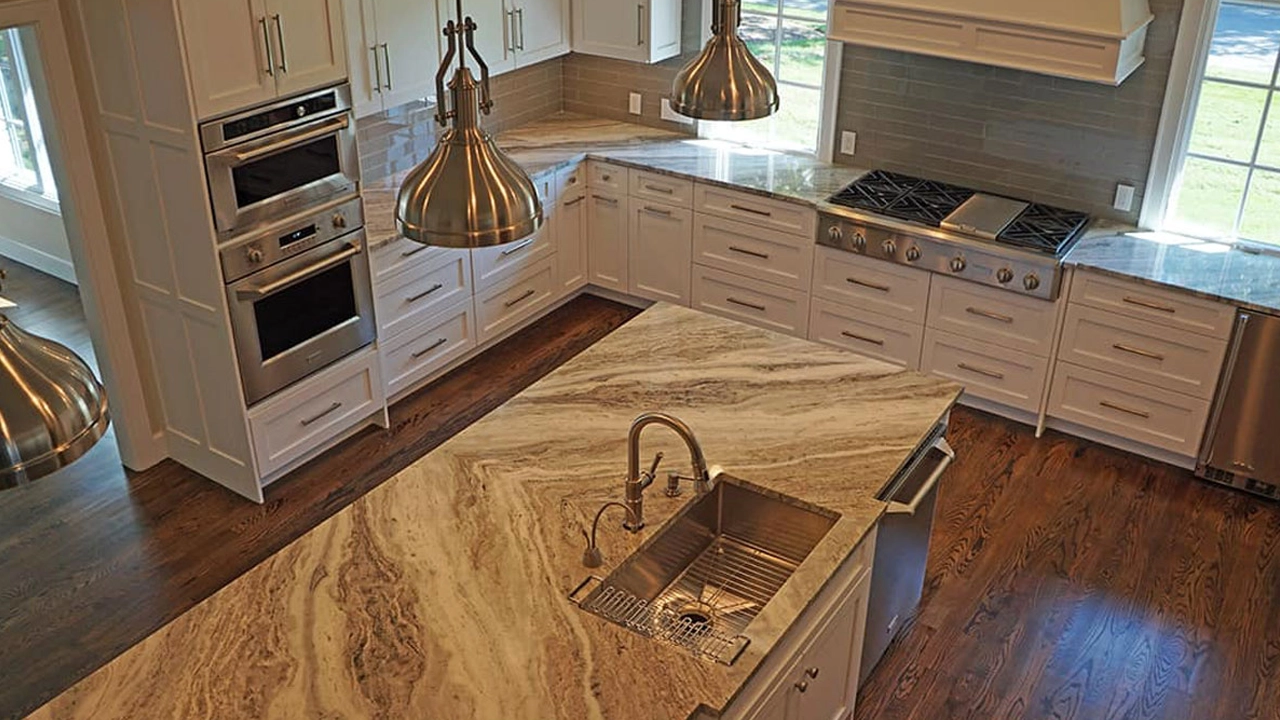
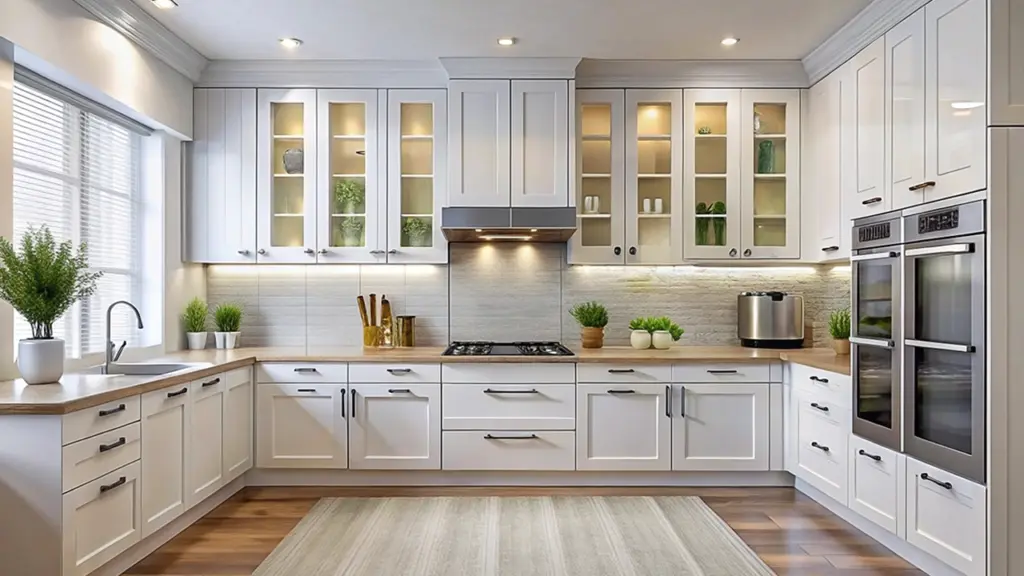
When kitchens are thoughtfully designed, they encourage connection. Larger islands create gathering spaces. Better storage reduces clutter. Layered lighting improves both functionality and atmosphere. Open connections to adjacent rooms allow family members to remain engaged even while performing different activities.
The most successful kitchens do more than look beautiful. They make life easier and more enjoyable.
The same philosophy applies to the primary suite. Many homeowners spend years investing in family spaces while neglecting spaces intended for personal restoration and relaxation. Modern primary suites are increasingly designed as retreats from the demands of everyday life.
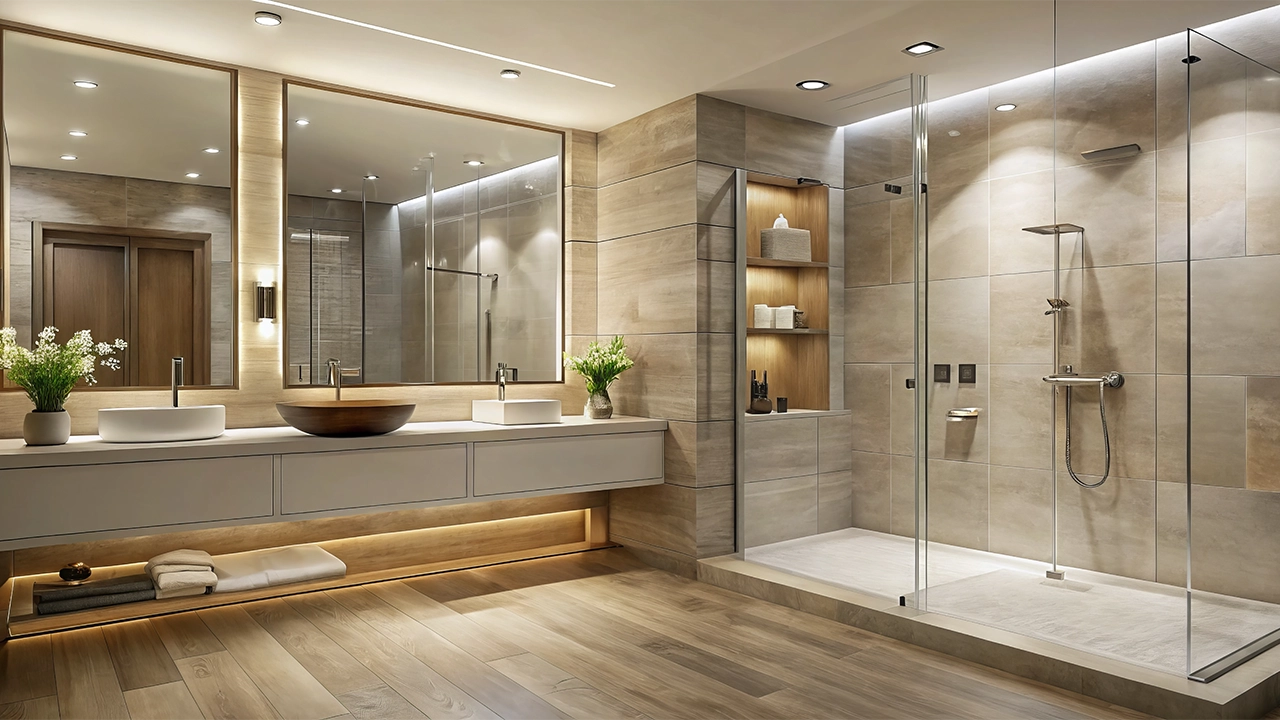
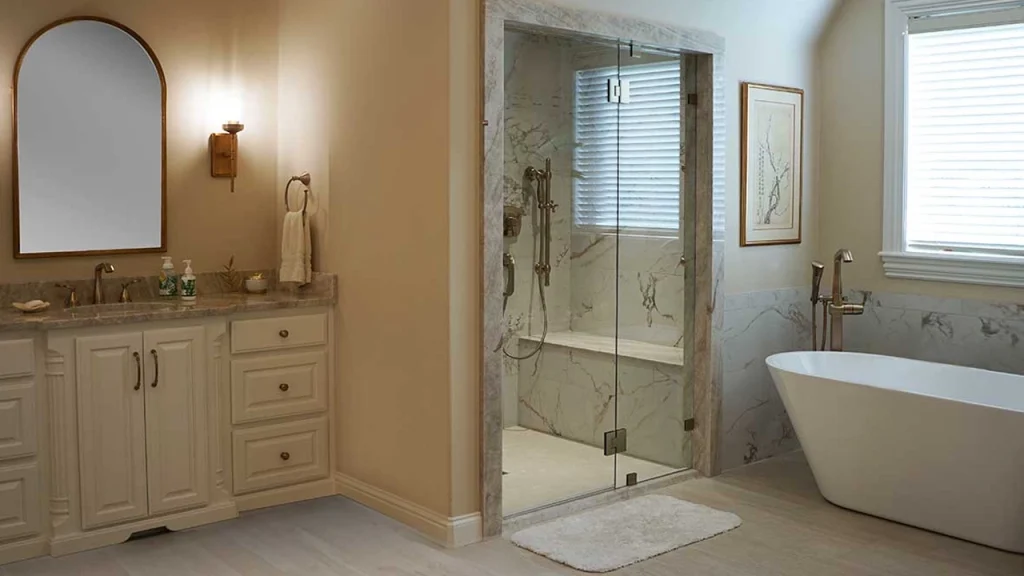
Spa-inspired bathrooms, expansive showers, improved lighting, organized storage, and thoughtfully designed closets contribute to a sense of calm. These spaces provide daily value that homeowners experience every morning and every evening. The impact extends far beyond aesthetics.
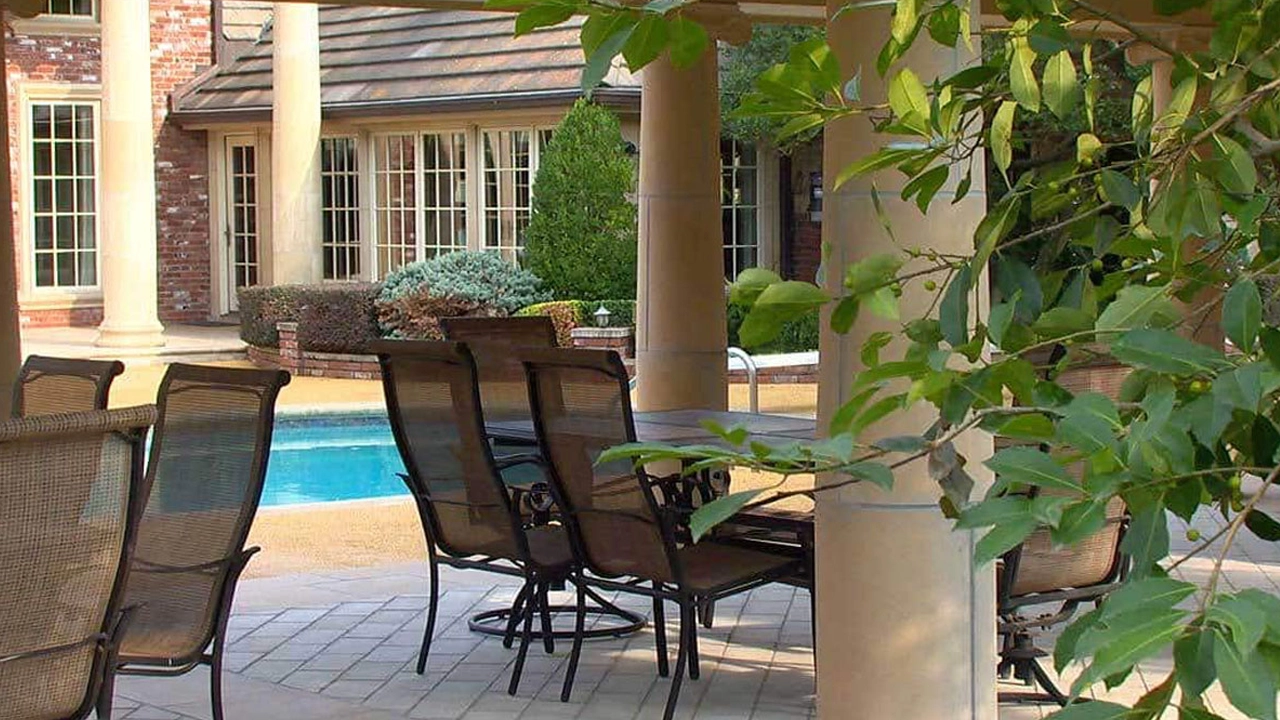
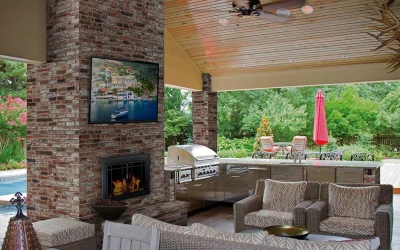
Outdoor living has become another critical component of the forever home. Homeowners increasingly recognize that their property extends beyond exterior walls. Covered patios, outdoor kitchens, fireplaces, entertainment systems, and comfortable seating areas transform backyards into destinations.
In Tulsa’s climate, outdoor living spaces can be enjoyed throughout much of the year. When thoughtfully connected to interior spaces, they effectively increase the functional size of the home while encouraging relaxation and social interaction.
One of the most overlooked aspects of exceptional remodeling involves improvements that visitors may never notice. Hidden luxury often has the greatest impact on daily comfort. Improved insulation creates a quieter environment. Modern HVAC systems deliver more consistent temperatures. Better sound control reduces distractions. Enhanced storage minimizes clutter.
These improvements rarely appear in photographs, yet they often generate the greatest homeowner satisfaction. True luxury is frequently experienced rather than displayed.
Designing a home that homeowners never want to leave also requires thinking about the future. Many families hope to remain in their homes for decades. Universal design principles make that possible without sacrificing beauty.
Features such as wider doorways, curbless showers, improved lighting, accessible storage, and main-level living areas provide long-term flexibility. Rather than appearing institutional, today’s universal design solutions are elegant, subtle, and highly functional.
Another important consideration is design cohesion. Many homes evolve over time through a series of disconnected projects. The result can feel fragmented. Successful transformations create a consistent design language throughout the home.
Architectural details, material selections, color palettes, and proportions work together to create visual harmony. This cohesion often has a greater impact than expensive finishes. It creates an environment that feels intentional, refined, and complete.
At its core, however, a forever home is ultimately about relationships. The spaces themselves are only part of the story. What matters most are the experiences they support.
Grandchildren baking cookies with grandparents. Holiday gatherings around an oversized island. Family movie nights. Conversations around an outdoor fireplace. Quiet mornings with coffee. Celebrations with friends.
These moments create emotional connections that cannot be measured in dollars. Years later, homeowners rarely remember specific fixture selections. They remember the memories made within those spaces.
This emotional value represents one of remodeling’s most important benefits. While resale value remains important, homeowners also deserve to enjoy their investment every day. A thoughtfully designed home delivers comfort, pride, convenience, and peace of mind.
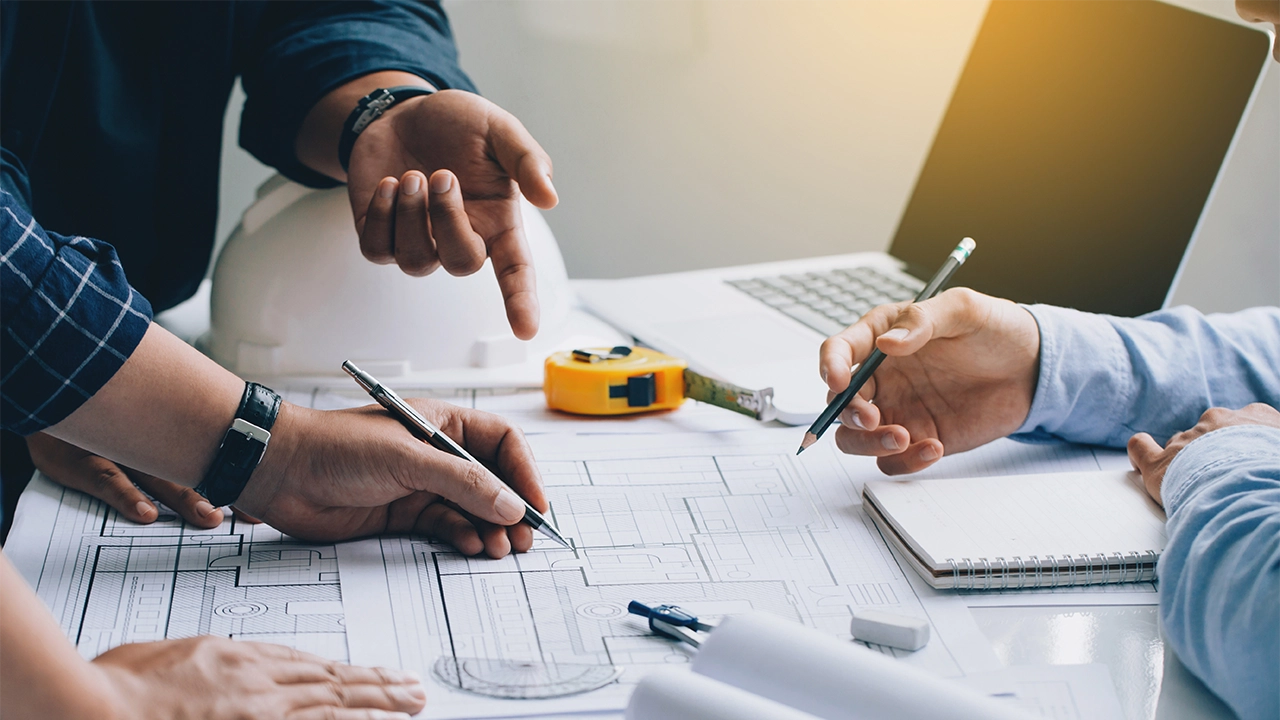
The process used to achieve these results matters as much as the design itself. Design-Build remodeling offers homeowners a unified approach in which planning, design, budgeting, selections, and construction are coordinated through a single team.
This integration improves communication, reduces surprises, and creates greater accountability. Homeowners gain confidence knowing that design decisions are evaluated alongside construction realities and budget considerations from the very beginning.
For more than four decades, The Buckingham Group has helped Tulsa homeowners discover that forever homes are created rather than purchased. Through thoughtful planning, detailed design, and disciplined execution, ordinary houses become extraordinary homes tailored to the people who live within them.
The most successful projects share a common characteristic. They focus not on trends but on lifestyle. They are designed around real people, real routines, and real aspirations.
When that happens, something remarkable occurs. Homeowners stop looking at real estate listings. They stop wondering what life might be like somewhere else. They stop dreaming about the next house.
Instead, they find themselves appreciating the home they already have.
That is the true goal of remodeling. Not simply improving a property, but creating a place that supports the life you want to live today and the life you hope to enjoy tomorrow.
Most remodeling regrets happen before construction begins, not during construction. Homeowners who invest time in thoughtful planning, professional design, future-focused decision-making, and clear project priorities are significantly more likely to create spaces they love for decades. The key to no-regret remodeling is making informed decisions before construction starts.
Discover how Tulsa homeowners are creating resort-style outdoor living environments with outdoor kitchens, covered patios, fireplaces, wellness spaces, and seamless indoor-outdoor design.
Hiring the right remodeling contractor is one of the most important decisions a homeowner will make during a renovation project. The contractor you choose will influence not only the quality of the finished work, but also the overall experience of the remodeling process.
When homeowners begin researching contractors, they often focus on price or availability. While these factors are important, they are only part of the decision. Experience, planning ability, communication, and professional systems are equally important.
After more than four decades of remodeling homes throughout Tulsa, we have seen many successful projects—and unfortunately we have also been asked to correct projects that went wrong because the wrong contractor was chosen.
Most of these situations could have been avoided if homeowners understood the most common mistakes people make when selecting a remodeling professional.
Mistake #1 – Choosing a Contractor Based Solely on Price
Low bids can be tempting, but the lowest price is not always the best value. Contractors who submit unusually low estimates may have misunderstood the project scope or may be planning to recover costs later through change orders.
Mistake #2 – Not Checking Experience With Similar Projects
Not all contractors specialize in the same types of work. A contractor who focuses on small repairs may not have the experience required for complex remodeling projects such as kitchens, additions, or whole-home renovations.
Mistake #3 – Failing to Verify Licensing and Insurance
Professional contractors carry appropriate licenses and insurance coverage. Without these protections, homeowners may be exposed to financial risk if accidents occur during construction.
Mistake #4 – Not Reviewing Past Projects
Looking at completed projects helps homeowners evaluate craftsmanship and design quality. Portfolios, before-and-after photos, and case studies provide valuable insight into a contractor’s capabilities.
Mistake #5 – Overlooking Communication Style
Remodeling projects require constant communication between homeowner and contractor. If communication is unclear or inconsistent during the early stages of planning, problems may become more serious during construction.
Mistake #6 – Not Asking About the Planning Process
Successful remodeling projects require careful planning before construction begins. Contractors who rush into demolition without a clearly defined design and scope often encounter costly surprises.
Mistake #7 – Ignoring References
Speaking with past clients can provide insight into how a contractor manages projects, schedules work, and addresses unexpected challenges.
Mistake #8 – Not Understanding the Contract
A clear written agreement protects both homeowner and contractor. The contract should outline scope of work, payment schedule, timeline, and responsibilities.
Mistake #9 – Assuming Remodeling Will Be Disruption-Free
Even the best remodeling projects involve some level of disruption. Professional contractors help minimize inconvenience through careful scheduling and jobsite organization.
Mistake #10 – Choosing a Contractor Without a Proven System
The most successful remodeling firms follow an organized process for design, budgeting, scheduling, and construction. A structured system helps ensure predictable results.
Avoiding these common mistakes can dramatically improve the success of your remodeling project. When homeowners select an experienced, organized, and communicative remodeling professional, the entire process becomes more enjoyable and predictable.
At The Buckingham Group, we have spent more than 44 years helping Tulsa homeowners successfully plan and complete remodeling projects. Our design-build approach brings design, budgeting, and construction together under one coordinated system.
If you are considering a remodeling project and would like guidance in evaluating your options, we would be happy to start a conversation with you.
Most remodeling regrets happen before construction begins, not during construction. Homeowners who invest time in thoughtful planning, professional design, future-focused decision-making, and clear project priorities are significantly more likely to create spaces they love for decades. The key to no-regret remodeling is making informed decisions before construction starts.
Discover how Tulsa homeowners are creating resort-style outdoor living environments with outdoor kitchens, covered patios, fireplaces, wellness spaces, and seamless indoor-outdoor design.
After more than four decades in the home remodeling business, people often ask what has changed the most. They expect the answer to involve new materials, new design trends, new technology, or new construction methods. And while all of those things have certainly evolved, they are not what matters most.
What matters most in home remodeling today is exactly what mattered 45 years ago — trust, communication, thoughtful design, realistic planning, and craftsmanship that stands the test of time.
Over the years we have seen trends come and go. Cabinet styles change. Countertop materials evolve. Appliances become more advanced. Floor plans become more open and then sometimes more defined again. But the fundamentals of a successful remodeling project have never changed.
The most successful remodeling projects are not defined by how dramatic they look on the day they are completed. They are defined by how well they function and how well they hold up 10, 20, or even 30 years later.
When homeowners decide to remodel their home, they are not simply buying cabinets, countertops, or tile. They are making a decision about how they want to live in their home for years to come. Remodeling is not just construction — it is planning, design, problem solving, and creating spaces that support daily life.
One of the biggest lessons learned over 45 years is that remodeling is first and foremost about listening. Every homeowner has a different reason for remodeling. Some need more space. Some need better function. Some want to modernize an older home. Some are planning to stay in their home long term and want to make it more comfortable and easier to live in as they get older.
The most important step in any remodeling project is understanding how homeowners live in their homes today and how they want to live in the future. Once that is understood, the design process becomes much more meaningful.
Another lesson learned over the years is that good design solves problems that homeowners may not even realize can be solved. Many homes were originally built with layouts that reflected how people lived decades ago. Kitchens were often closed off from the rest of the home. Bathrooms were small and lacked storage. Closets were minimal. Lighting was often poor. Storage was not well planned.
Thoughtful remodeling can completely change how a home functions without changing its location or neighborhood. Removing a wall can transform how a family interacts. Adding better lighting can change how a space feels. Improving storage can make a home feel larger without adding square footage.
One of the most rewarding parts of remodeling is seeing how these changes improve daily life. A well-designed kitchen becomes a place where people gather, cook, talk, and spend time together. A well-designed bathroom becomes a comfortable and relaxing space instead of a cramped and outdated room. A well-planned addition can make a home work for a growing family or allow homeowners to stay in a home they love instead of moving.
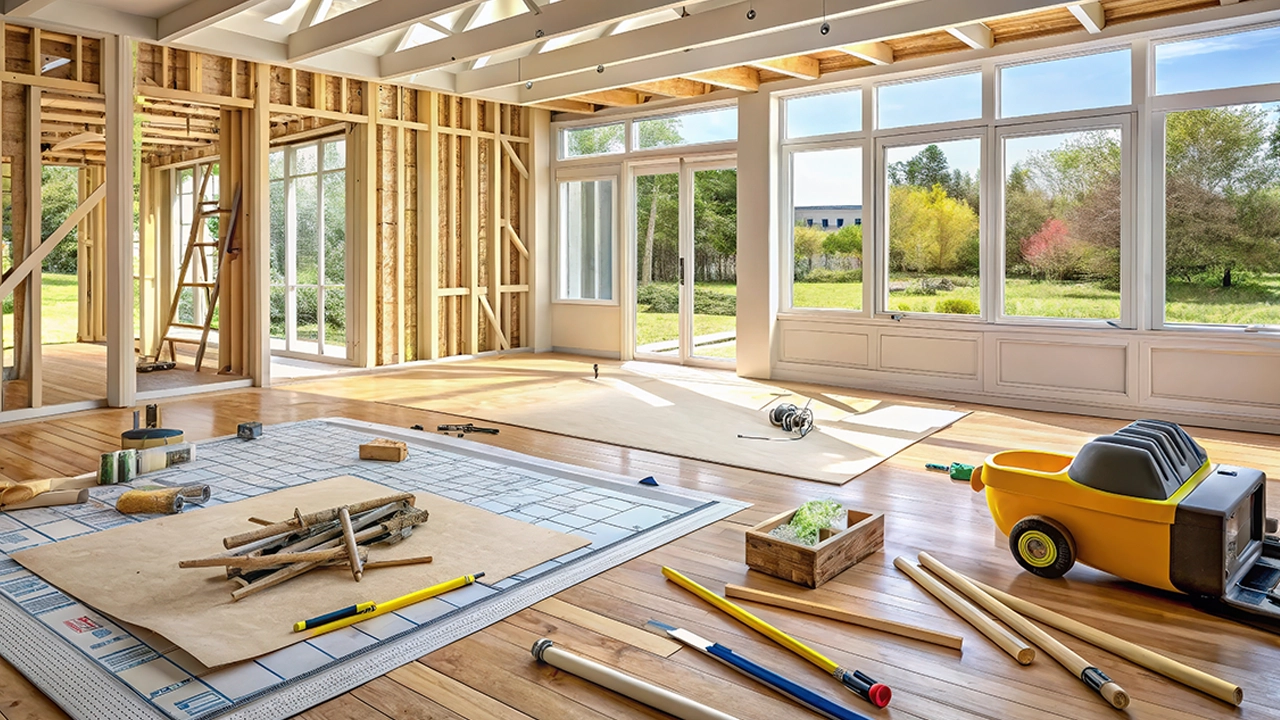
Another important lesson learned over many years is that planning is far more important than construction. The quality of a remodeling project is determined long before construction begins. Careful design, detailed specifications, material selections, and budgeting all happen before the first wall is opened. When these steps are done properly, construction becomes a much smoother and more predictable process.
This is why the design-build approach has become so important. When design, budgeting, and construction planning are handled together, homeowners have a much clearer understanding of what they are going to receive and what it will cost before construction begins. This reduces surprises and makes the entire remodeling experience much more enjoyable.
Over the years we have also learned that communication is critical. Remodeling projects involve many decisions, many trades, and many steps. Homeowners should always know what is happening, what decisions need to be made, and what comes next. Good communication eliminates most problems before they ever occur.
Another lesson learned after many years in remodeling is that quality always matters. It may not always be visible immediately, but over time the difference between quality workmanship and shortcuts becomes very clear. Cabinets that are properly installed still function years later. Tile that is properly installed does not crack or loosen. Paint that is properly prepared lasts longer. Good craftsmanship is not always obvious on the first day, but it becomes obvious over time.
Perhaps the most meaningful measure of success in remodeling is when clients call years later to do another project. That means the original project held up, functioned well, and was a positive experience. Repeat clients are the greatest compliment any remodeling company can receive.
Remodeling is also about value, but value is often misunderstood. Value does not always mean the lowest cost. True value means receiving a well-designed, well-built project that performs well for many years. A project that has to be repaired or replaced early is not a good value, regardless of the original cost.
Kitchen remodeling continues to provide one of the best returns on investment of any home improvement, but the real return is not just financial. The real return is in how often the space is used and enjoyed. The kitchen is used every day. Improvements made there affect daily life more than almost any other room in the house.
Bathroom remodeling is similar. Improving lighting, storage, shower design, and overall layout can dramatically improve comfort and convenience. Many homeowners are also planning bathrooms that allow them to stay in their homes longer by incorporating universal design features such as curbless showers, wider doorways, and better lighting.
Room additions and whole home remodeling projects are often driven by the desire to stay in a home and neighborhood that homeowners love while making the house function better. Remodeling allows homeowners to keep the location they love while improving the home they live in every day.
After 45 years, what matters most is still the same: listening carefully, designing thoughtfully, planning carefully, building with quality, and treating clients with honesty and respect. Materials will continue to change, styles will continue to evolve, and technology will continue to improve, but the fundamentals of successful remodeling will always remain the same.
At the end of the day, remodeling is not really about construction. It is about improving how people live in their homes. When a remodeling project is successful, homeowners do not just see the difference — they live the difference every day.
Most remodeling regrets happen before construction begins, not during construction. Homeowners who invest time in thoughtful planning, professional design, future-focused decision-making, and clear project priorities are significantly more likely to create spaces they love for decades. The key to no-regret remodeling is making informed decisions before construction starts.
Discover how Tulsa homeowners are creating resort-style outdoor living environments with outdoor kitchens, covered patios, fireplaces, wellness spaces, and seamless indoor-outdoor design.
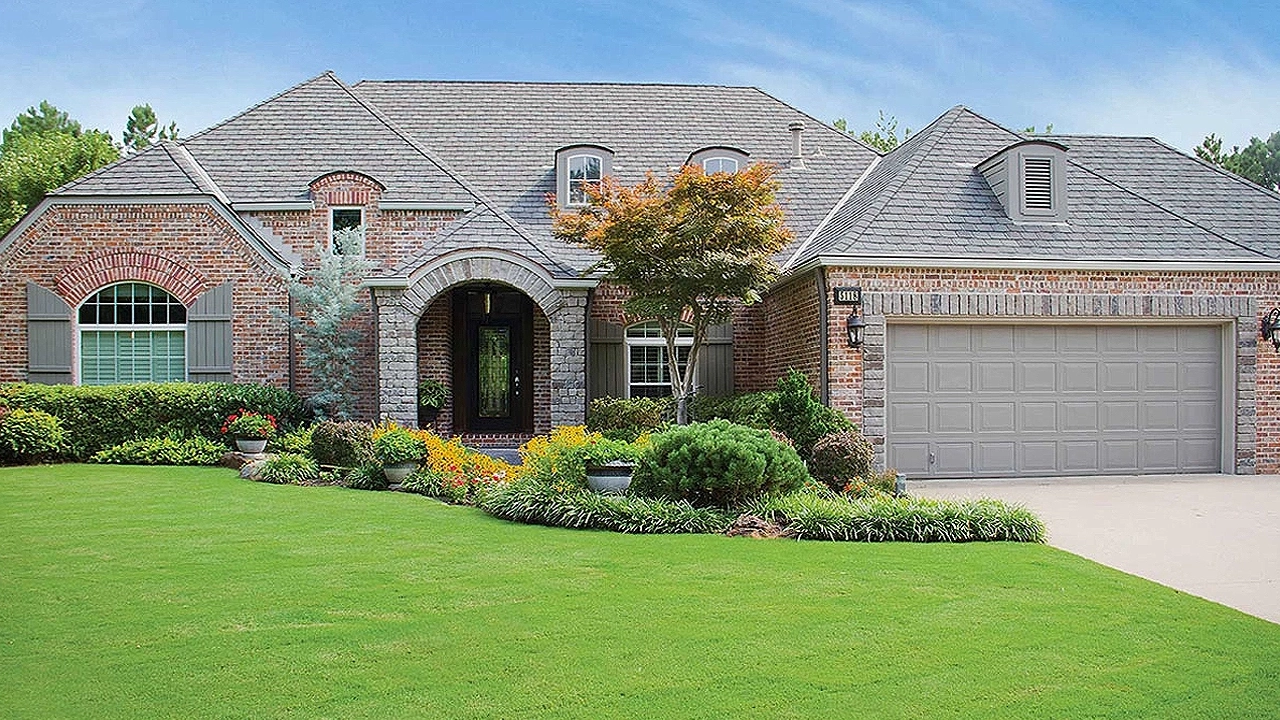
Home remodeling in Tulsa has become one of the most popular ways for homeowners to improve their quality of life while increasing the value of their homes. Many Tulsa neighborhoods feature well-built houses in desirable locations, but the interiors often reflect design trends from decades ago. Rather than moving, many homeowners discover that remodeling the home they already love is a far better solution.
For more than 44 years, The Buckingham Group has helped Tulsa homeowners transform kitchens, bathrooms, and entire homes into beautiful spaces designed for modern living. During that time we have learned that successful remodeling begins long before construction starts. The most successful projects are the result of careful planning, thoughtful design, and a clear understanding of what the remodeling process involves.
This guide will walk you through everything you should know before beginning a remodeling project in Tulsa — from the most popular projects to realistic investment ranges and the steps that lead to exceptional results.
Why Tulsa homeowners choose to remodel
Tulsa offers a unique housing market. Many homes were built between the 1960s and early 2000s and feature solid construction, attractive neighborhoods, and mature landscaping. However, kitchens, bathrooms, and floor plans often feel outdated compared to modern lifestyle expectations.
Remodeling allows homeowners to preserve the location they love while dramatically improving how their homes function.
Common motivations for remodeling include:
Updating outdated kitchens and bathrooms
Creating more open living spaces
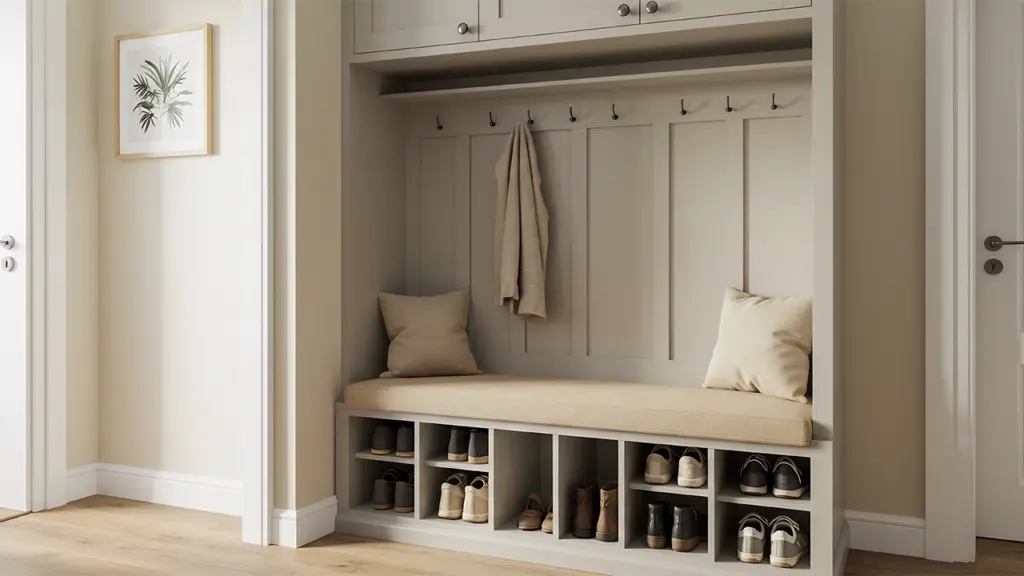
Improving storage and organization
Expanding living space with room additions
Preparing a home for long-term living
Increasing property value
When thoughtfully planned, remodeling can make an older home feel completely new.
Popular remodeling projects in Tulsa
Kitchen Remodeling
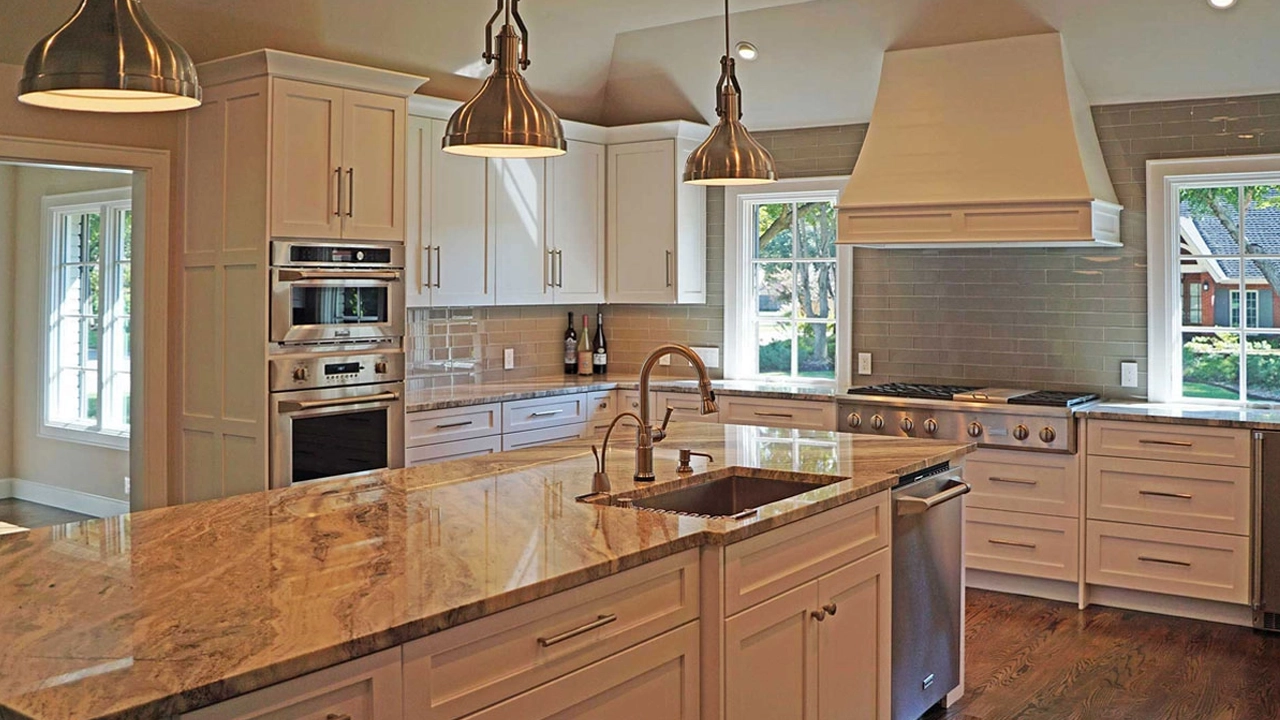
Kitchen remodeling remains the most requested project among Tulsa homeowners. Today’s kitchens serve as the central gathering space for families and guests, which means they must balance aesthetics, storage, workflow, and comfort.
Common kitchen remodeling improvements include:
Large islands with seating
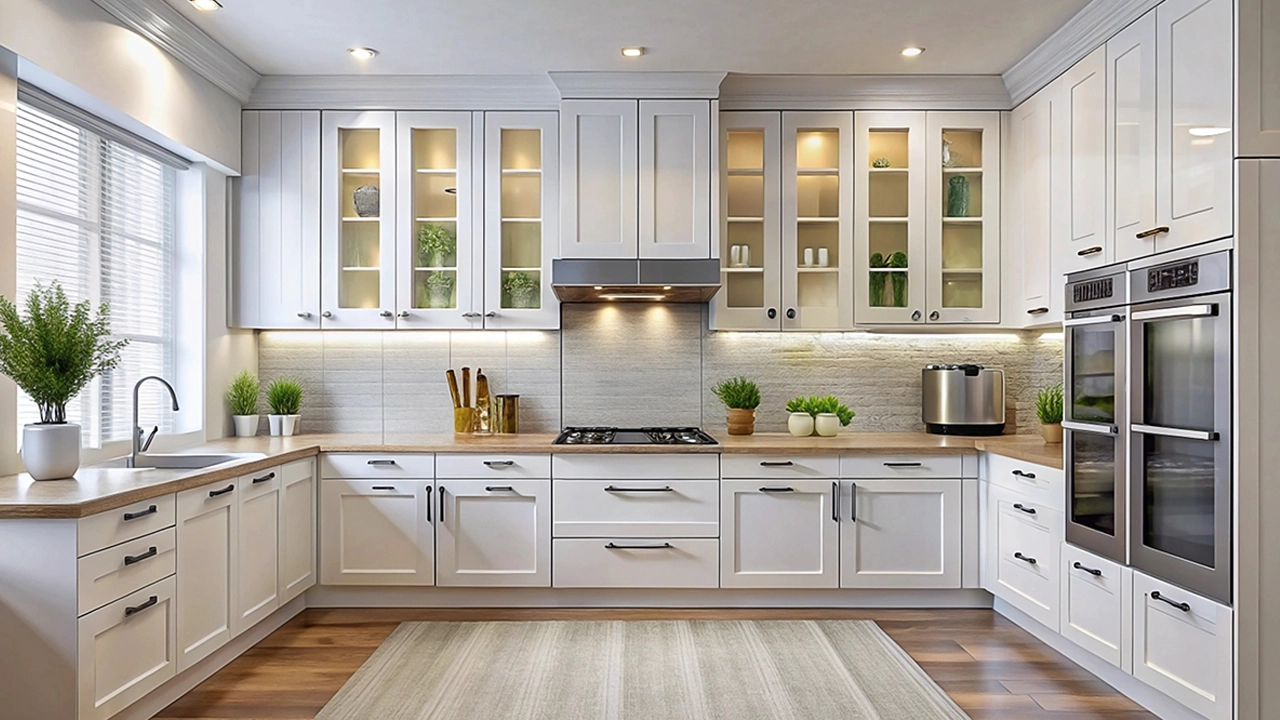
Custom cabinetry with improved storage
High-performance appliances
Layered lighting design
Improved traffic flow and open floor plans
A well-designed kitchen remodel can completely change the way homeowners use their homes.
Bathroom Remodeling
Bathrooms are another area where remodeling dramatically improves daily comfort. Many older bathrooms lack efficient layouts, storage, and modern fixtures.
Popular bathroom upgrades include:
Large walk-in showers
Freestanding soaking tubs
Custom vanities with improved storage
Heated tile floors
Modern lighting and ventilation
These improvements transform bathrooms into relaxing private retreats.
Room Additions
When families need additional space, a thoughtfully designed room addition can significantly improve how a home functions. Additions may include expanded family rooms, primary bedroom suites, guest rooms, or home offices.
Because additions involve structural design, careful planning is essential to ensure the new space integrates seamlessly with the existing home.
Whole-Home Remodeling
Some Tulsa homeowners choose to update multiple areas of their home at once. Whole-home remodeling allows homeowners to modernize floor plans, finishes, and mechanical systems while improving the overall flow of the house.
These projects often include kitchen remodeling, multiple bathroom upgrades, flooring replacements, and structural changes that open up living spaces.
What does home remodeling cost in Tulsa?
One of the first questions homeowners ask is what remodeling costs. While every project is unique, the following ranges represent typical investments for high-quality remodeling projects in the Tulsa area.
The final investment depends on factors such as design complexity, structural changes, material selections, and the overall scope of the project.
The Design-Build Advantage
The Buckingham Group uses a design-build approach that integrates planning, design, and construction into a coordinated process. This allows homeowners to make important decisions before construction begins.
The design phase typically includes:
Understanding homeowner goals
Developing design concepts
Selecting materials and finishes
Preparing detailed specifications
Establishing a realistic project budget
This process greatly reduces surprises during construction and helps ensure the finished project meets the homeowner’s expectations.
How to Choose a Remodeling Contractor in Tulsa
Selecting the right remodeling company is one of the most important decisions homeowners will make. Remodeling projects require careful planning, skilled craftsmanship, and clear communication.
When evaluating contractors, homeowners should consider:
Experience with similar projects
The planning process used before construction begins
Quality of previous projects
Warranty protection
Professional communication
For more than four decades, The Buckingham Group has built its reputation on thoughtful planning, detailed specifications, and exceptional craftsmanship.
Real Home Transformations in Tulsa
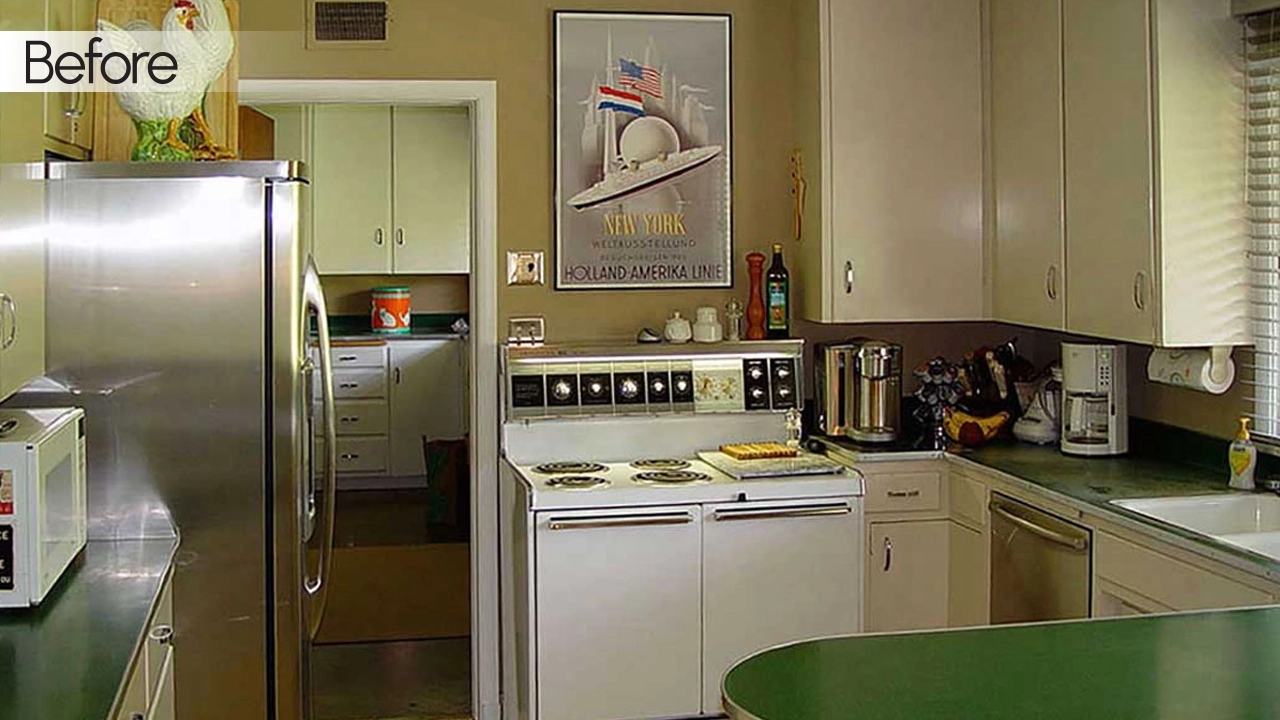
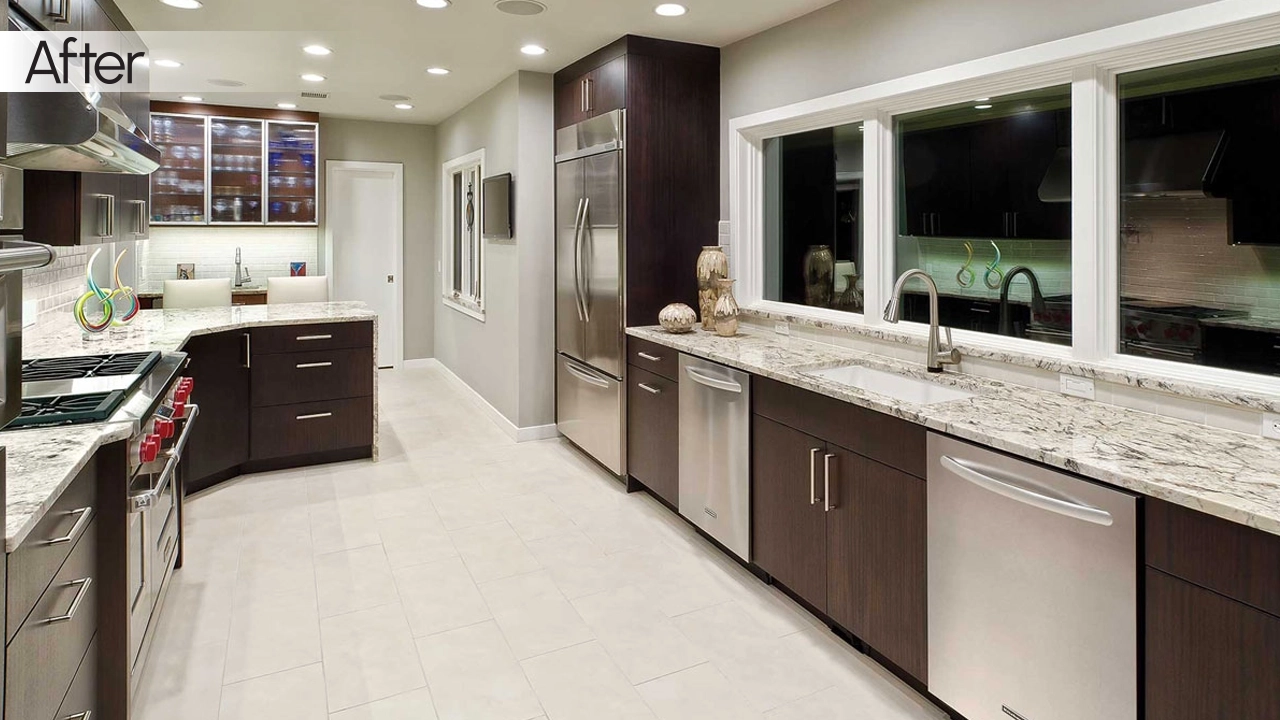
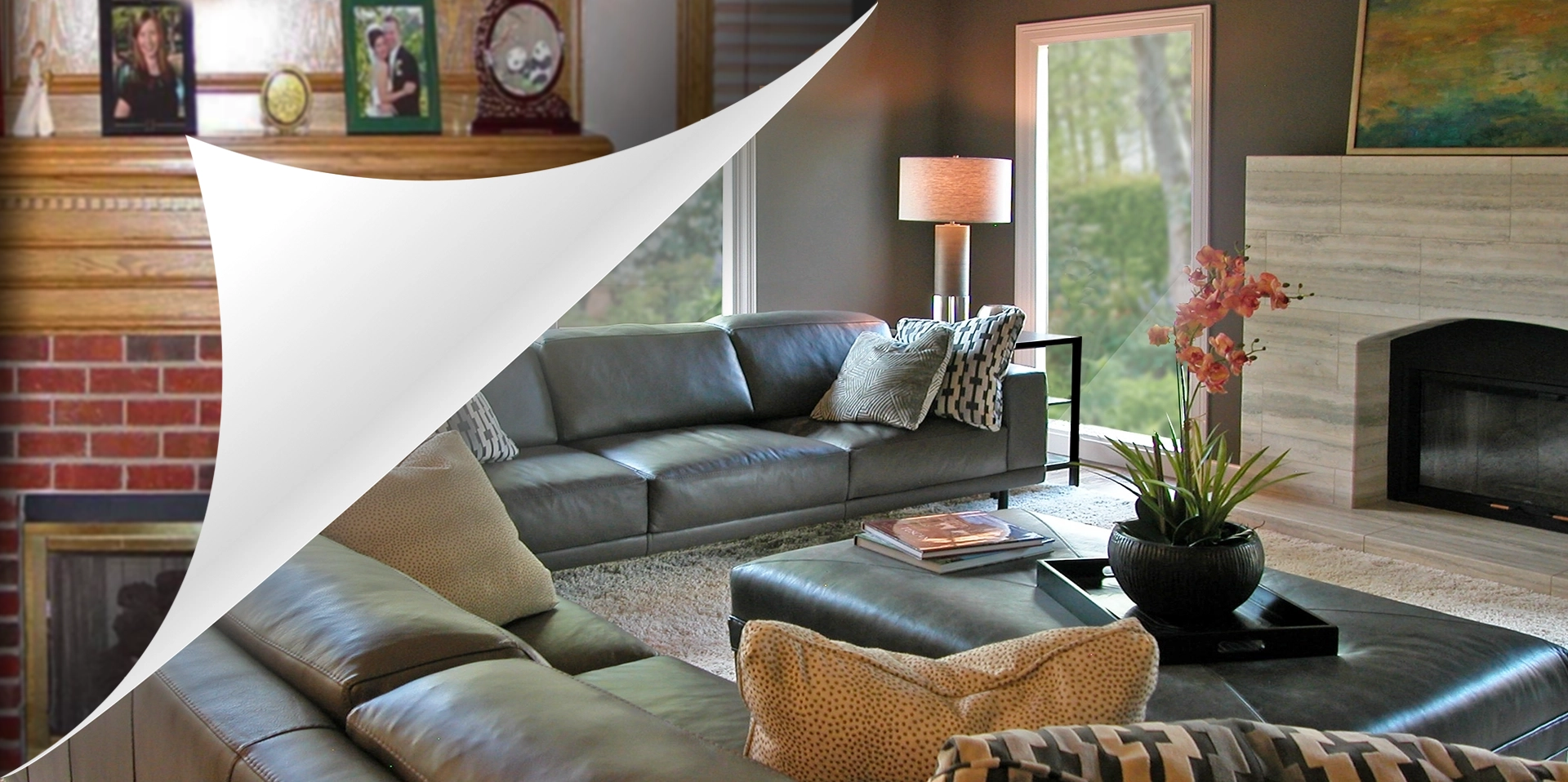
One of the best ways to understand what remodeling can accomplish is to view completed projects. Seeing real transformations helps homeowners visualize how design improvements can dramatically improve their own homes.
Our Home Transformations gallery showcases kitchens, bathrooms, additions, and whole-home remodels completed for homeowners throughout the Tulsa area.
Planning Your Remodeling Project
Successful remodeling begins with clear goals and thoughtful planning. Homeowners should consider how their home will function in the future and which improvements will provide the greatest benefit.
Important planning considerations include:
How spaces will be used daily
Desired design style
Budget expectations
Project timing
A professional consultation can help homeowners explore possibilities and better understand the investment required.
Begin Your Remodeling Journey
If you are considering remodeling your home, the first step is a conversation. During an initial consultation we review your goals, explore design possibilities, and discuss the options available for your project.
For more than 44 years, The Buckingham Group has helped Tulsa homeowners create beautiful spaces that improve how their homes look, feel, and function.
Most remodeling regrets happen before construction begins, not during construction. Homeowners who invest time in thoughtful planning, professional design, future-focused decision-making, and clear project priorities are significantly more likely to create spaces they love for decades. The key to no-regret remodeling is making informed decisions before construction starts.
Discover how Tulsa homeowners are creating resort-style outdoor living environments with outdoor kitchens, covered patios, fireplaces, wellness spaces, and seamless indoor-outdoor design.
Most remodeling regrets happen before construction begins, not during construction. Homeowners who invest time in thoughtful planning, professional design, future-focused decision-making, and clear project priorities are significantly more likely to create spaces they love for decades. The key to no-regret remodeling is making informed decisions before construction starts.
Discover how Tulsa homeowners are creating resort-style outdoor living environments with outdoor kitchens, covered patios, fireplaces, wellness spaces, and seamless indoor-outdoor design.
Most remodeling regrets happen before construction begins, not during construction. Homeowners who invest time in thoughtful planning, professional design, future-focused decision-making, and clear project priorities are significantly more likely to create spaces they love for decades. The key to no-regret remodeling is making informed decisions before construction starts.
Discover how Tulsa homeowners are creating resort-style outdoor living environments with outdoor kitchens, covered patios, fireplaces, wellness spaces, and seamless indoor-outdoor design.
A forever‑home remodel that feels effortlessly livable.
If you’ve ever said, “I just want to stay in my home,” you’re in good company. Most Tulsa homeowners we meet feel exactly the same way. They love their neighborhoods, their routines, and the rooms where memories live. The question isn’t whether to stay—it’s how to make staying sensible, comfortable, and safe. That’s where adaptive design comes in. Adaptive design (sometimes called aging‑in‑place design) blends beautiful, timeless remodeling with subtle accessibility upgrades so your home fits you now and adapts gracefully later. Think curbless showers that look like a spa, wider passages that feel airy, smarter lighting that guides you at night, and storage that comes to you instead of the other way around. The Buckingham Group has been designing and building these upgrades in Tulsa for 43+ years, with a design‑build process that keeps projects organized, on schedule, and true to your goals.
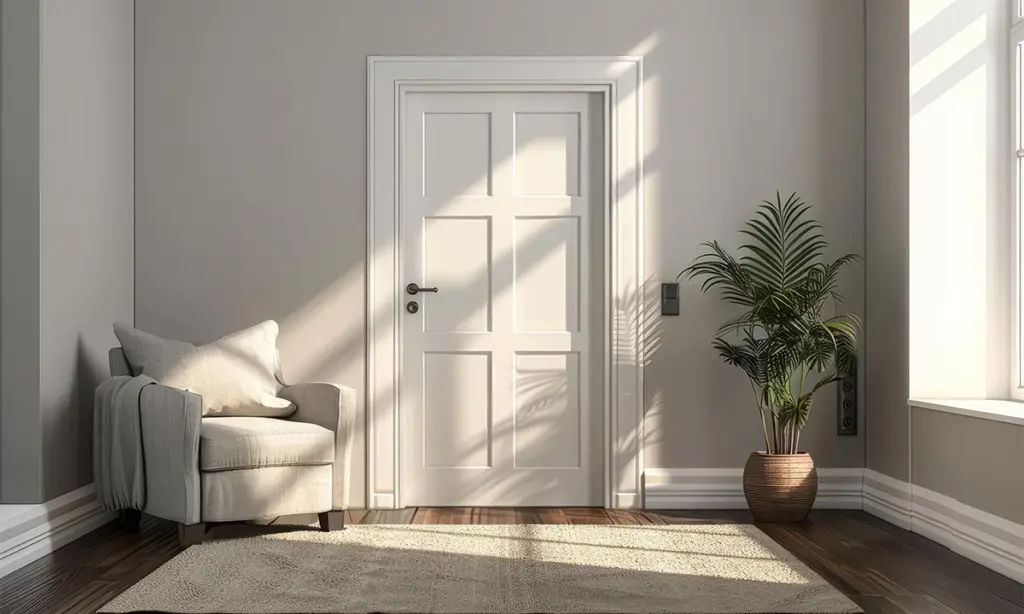
Lever handles and wider cased openings — “Small details, big comfort.”
What Exactly Is Adaptive Design? (It’s Not a Hospital Look)
Let’s clear up the biggest misconception first: adaptive design is not clinical or institutional. Done well, it’s invisible. It’s the quiet ease you feel when a doorway is wide enough for a rolling suitcase or walker. It’s the shower that you step into—without stepping over. It’s the drawer that glides out so heavy cookware doesn’t have to.
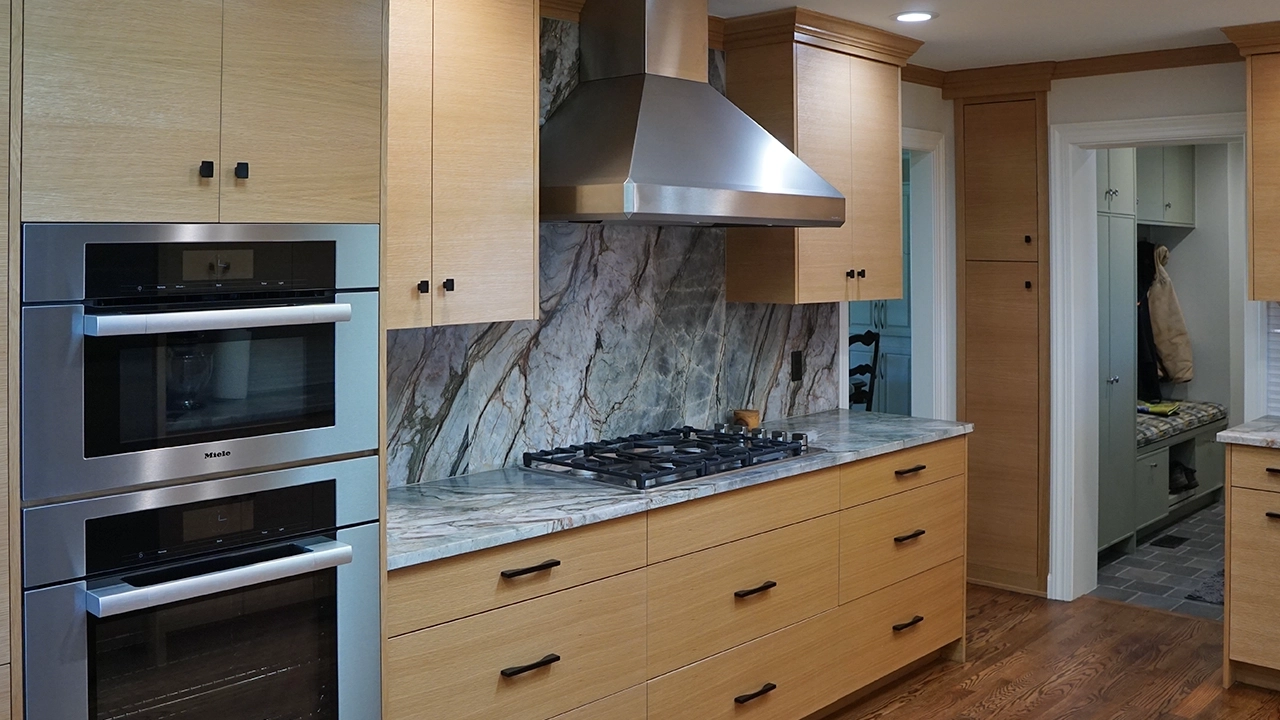
At its core, adaptive design makes everyday tasks simpler: bathing, cooking, moving between rooms, welcoming guests. We specify finishes and fixtures you’d choose anyway—quartzite and premium quartz, rift‑sawn white oak, porcelain tile, elegant grab bars that double as towel racks, lever handles instead of knobs, and layered lighting that keeps your eyes relaxed. The result is a space that feels like home—only easier and safer to use.
Why It Matters Now (Even If You Feel Great)
Planning ahead gives you choices. Waiting until there’s a fall or a sudden change in mobility usually means rushing big decisions under stress. Adaptive upgrades done during a planned remodel cost less than emergency fixes—and they integrate more beautifully.
There’s also a resale advantage. Tulsa buyers increasingly appreciate homes that feel open, bright, and accessible. Features like a curbless shower, wider cased openings, and well‑lit pathways read as luxury to buyers of any age. They’re design improvements first—accessibility benefits second. In other words: smart now, smart later.
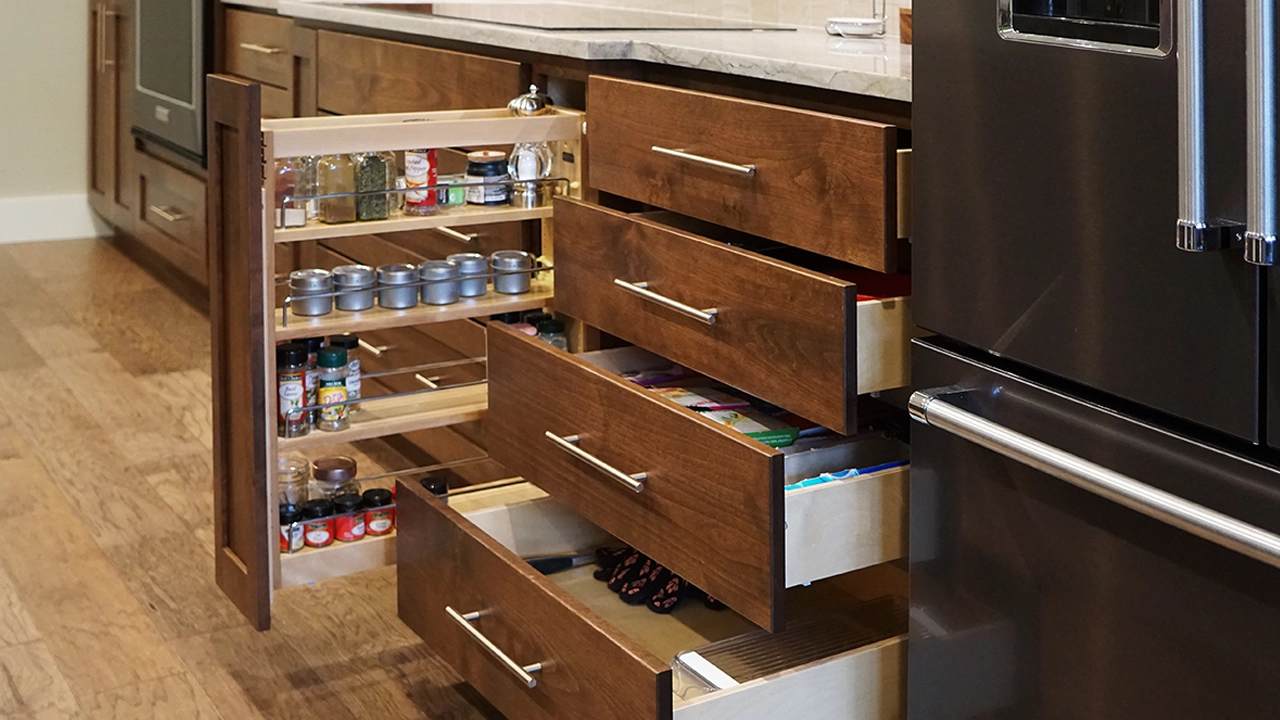
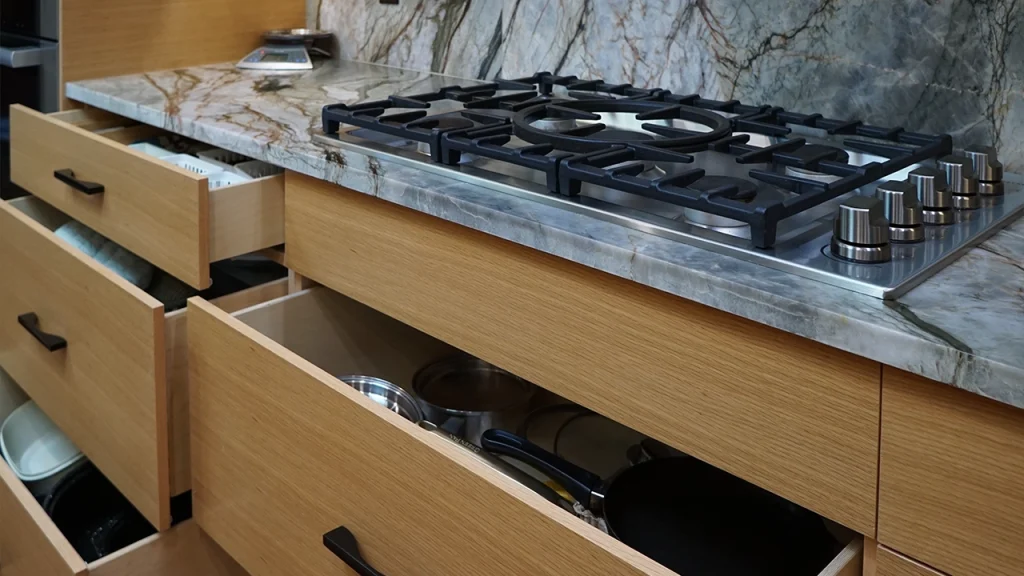
Kitchen drawer stacks and pull‑outs — “Storage that comes to you.”
Kitchen Upgrades That Age With You (and Still Look Designer)
The kitchen works hard. Adaptive design keeps it working—without sacrificing style: and safer to use.
Full‑extension drawers and pull‑outs so pots, pans, and small appliances come to you.
Wide walkways (42–48 inches) that keep traffic smooth when two people are cooking.
Induction cooktop for cool‑to‑the‑touch safety and easy cleanup.
Task lighting under cabinets, plus toe‑kick lighting as a soft night guide.
Lever‑style or touch/touchless faucets to reduce wrist strain.
Appliance garage or coffee station to keep counters clear and mornings simple.
Multi‑level prep space—standard height plus a slightly lower zone for seated prep or grandkids helping.
Design tip for Tulsa homes: keep the architectural “bones” classic—Shaker or slab cabinetry, quartz/quartzite counters, and a neutral palette. Personalize with pendants, stools, art, and hardware you can refresh over time.
Low curb shower with linear drain and bench — “Spa‑calm looks, safer by design.”
Bathrooms: Spa‑Calm, Safer by Design
Most falls happen in the bathroom, which is why we treat this room like mission‑critical. You don’t have to choose between safety and beauty:
Curbless (zero‑threshold) showers with linear drains—clean look, effortless entry.
Built‑in or fold‑down shower seating that reads like a spa bench. Stylish grab bars that match your hardware finish—installed into solid blocking behind the tile.
Lever handles on doors—easier with groceries in hand.
Better lighting strategy: brighter at tasks, warmer ambient in the evenings, and well‑lit transitions.
Laundry moved to the main level to reduce stair trips.
Smart home adds—voice‑activated lights, video doorbells, and smart thermostats that simplify routines.
We also look at furniture‑style cabinetry with toe‑kick space for wheelchair or stool access, and we plan outlet/switch heights that suit you now and later.
Design‑Build = Fewer Headaches, Better Outcomes
Adaptive design touches many trades—carpentry, plumbing, electrical, tile, cabinetry—so coordination is everything. With a design‑build partner like The Buckingham Group, you work with one integrated team from concept through completion. We align scope, budget, and schedule early, then manage the details with Critical Path Scheduling. You get one point of contact, one fixed‑price contract, and a process tuned over decades. It’s how we deliver on time and on budget—and why we back our carpentry with a five‑year workmanship warranty (a rarity in the industry).
Layered lighting plan (pendants, under‑cabinet, toe‑kick) — “Bright when you need it, gentle when you don’t.”
What a Typical Tulsa Adaptive Remodel Includes
Every home is different, but here’s a common scope we build around:
Assessment walk‑through to map pinch points, lighting gaps, and daily routines.
Layout tweaks for better flow—wider passages, clearer sightlines, simpler transitions.
Primary suite strategy—bedroom, bath, and closet that function as a single, effortless zone.
Kitchen storage re‑engineering—pull‑outs, drawer stacks, and better task zones.
Lighting plan—task, ambient, and night‑path layers with dimming.
Zero‑step entry and main‑level laundry if possible.
Finish palette that reads warm and classic in Tulsa’s natural light.
Budget, Timing, and ROI—What to Expect
Costs vary with scope, materials, and existing conditions. What doesn’t vary is our process: we establish a clear scope of work, align the design with your budget, and present a fixed price before construction begins—so there are no mid‑project surprises. Timing depends on lead times and permitting, which we manage with a build schedule you can see and understand.
As for ROI, the biggest return is quality of life. That said, many adaptive features also improve resale because they read as thoughtful luxury—curbless showers, layered lighting, quartzite counters, balanced layouts, and storage that simply works.
How to Start (Without Overwhelm)
Step one is a calm conversation. Tell us what’s working, what isn’t, and what you’re worried about. We’ll walk your home, note small changes with big impact, and outline a phased plan if that fits your budget and timeline. From there, our design team develops drawings and selections; our project team builds the schedule; and you watch your home become easier—and more ‘you’—with each step.