
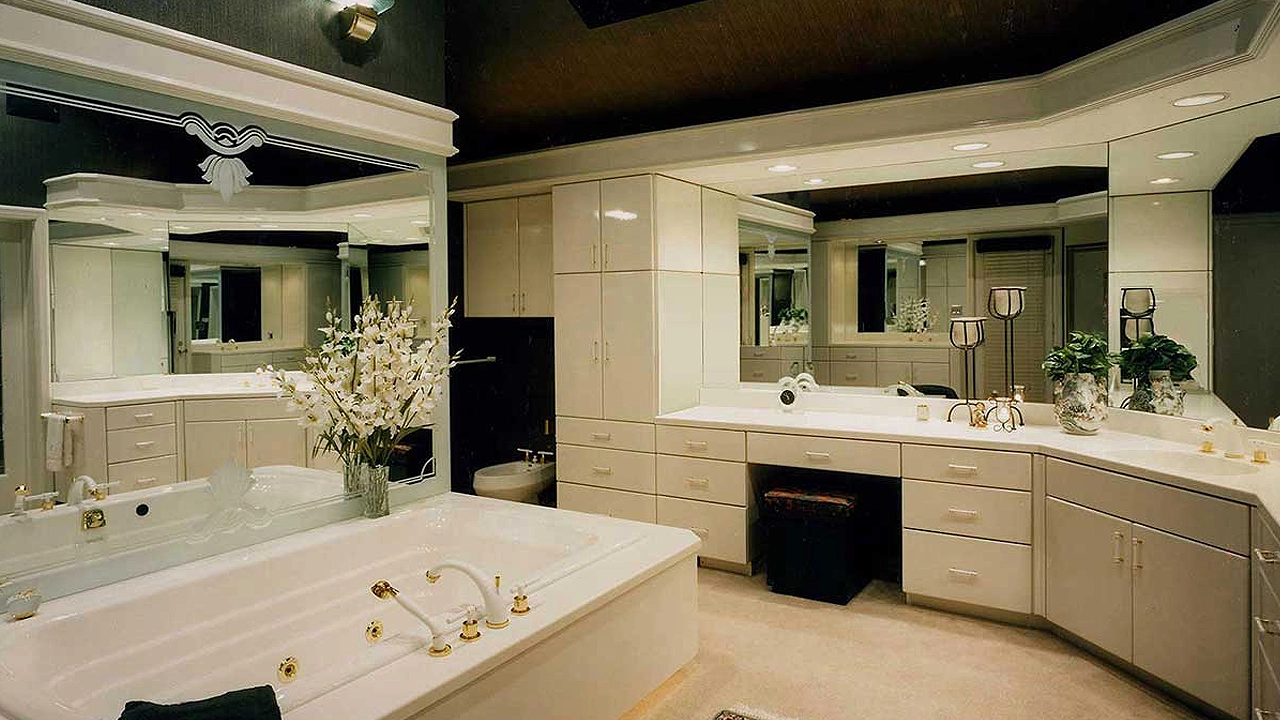
Bathroom remodeling is one of those projects homeowners think they understand—until they’re living with the results. Bathrooms are small, but they are among the most demanding spaces in a home. They are used every day, often under time pressure, and small design missteps quickly become daily frustrations.
After more than four decades of remodeling homes in Tulsa, The Buckingham Group has seen a consistent pattern: the most successful bathroom remodels are not driven by trends, but by how people actually live. This guide is designed to help homeowners make decisions they will still appreciate years after construction is complete.
Why Bathrooms Are More Complex Than They Appear
Bathrooms contain more systems per square foot than almost any other room in the home. Plumbing, ventilation, lighting, electrical safety, waterproofing, and storage must all work together seamlessly. Because tolerances are tight, shortcuts in planning tend to surface quickly during everyday use.
What Most Bathroom Remodels Get Wrong
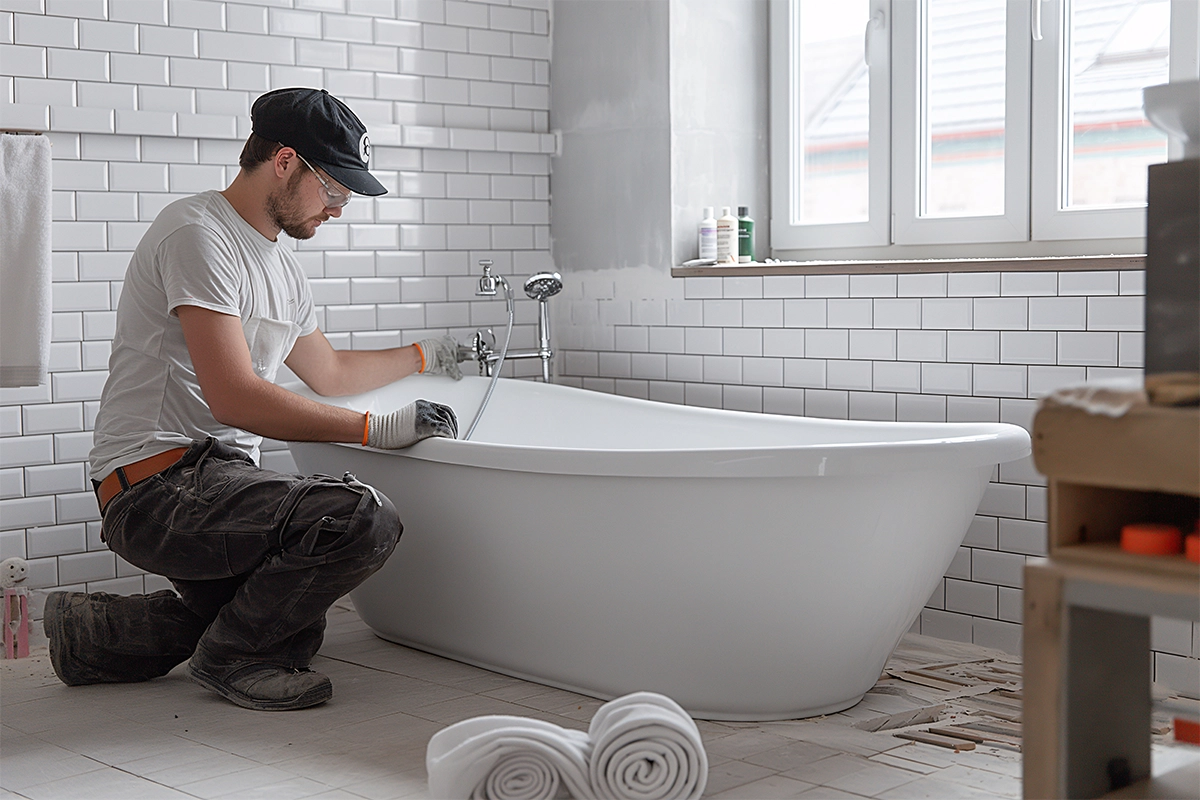
Most bathroom frustrations stem from decisions made without enough context. Designing for appearance instead of routine, underestimating storage needs, and choosing materials based solely on looks often lead to daily inconvenience.

Designing a Bathroom for Real Life
A well-designed bathroom should feel intuitive. Layout, clearances, lighting, and fixture placement should quietly support daily routines without calling attention to themselves.
Showers, Tubs, and Honest Expectations
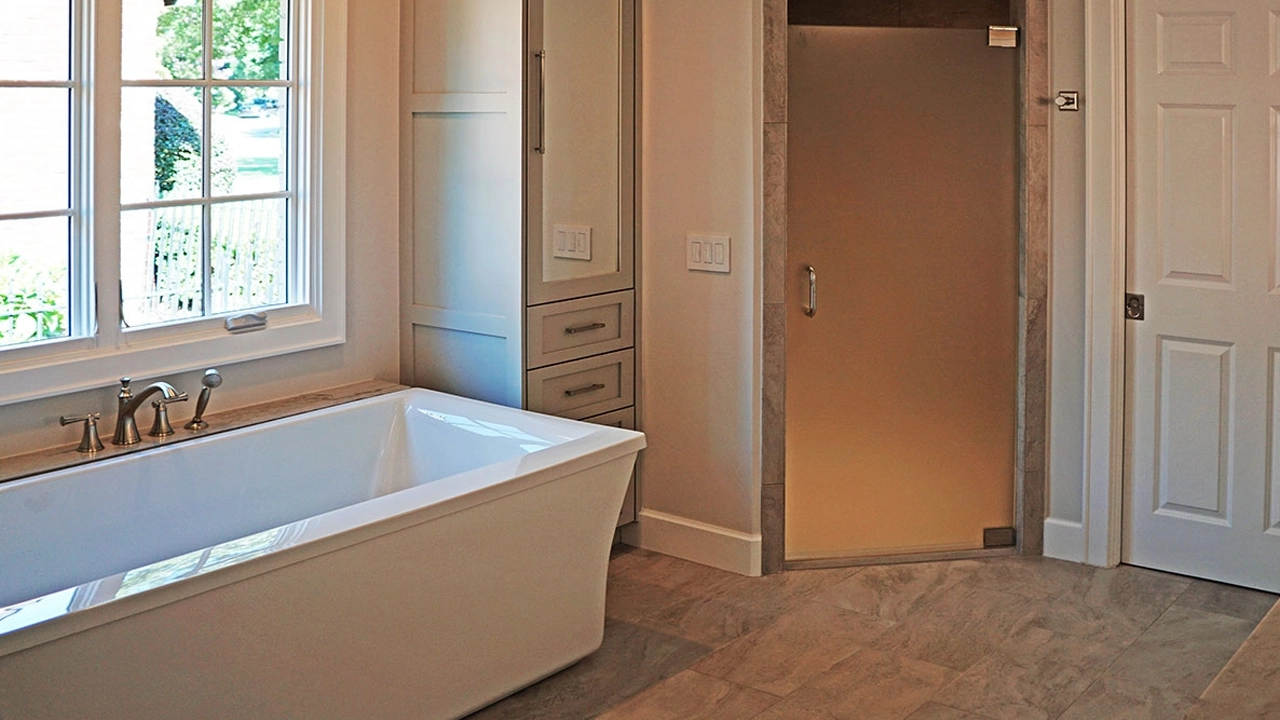
Walk-in showers tend to deliver greater long-term comfort than oversized tubs that see little use. When tubs are included, they should be selected honestly, with consideration for access, cleaning, and realistic patterns of use.
Materials That Perform Over Time
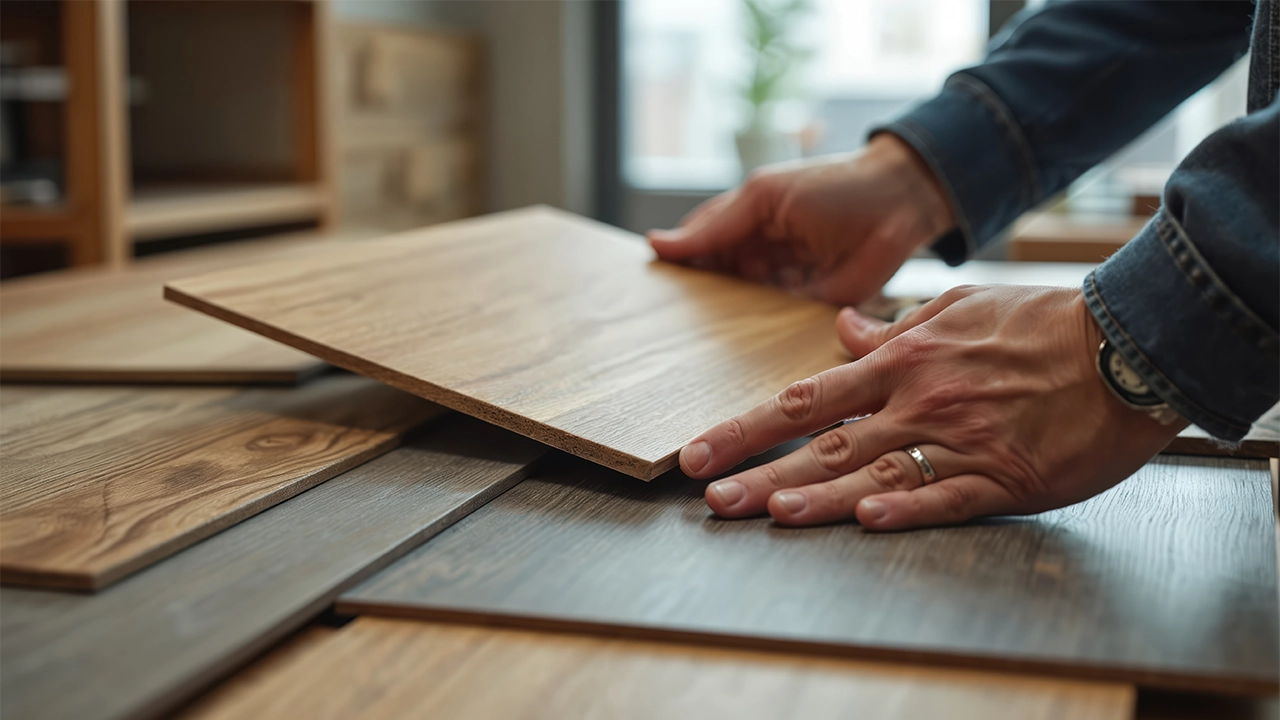
Bathrooms are demanding environments. Durable materials reduce maintenance, age more gracefully, and protect the original investment.
Planning for the Future Without Announcing It
Subtle planning decisions—such as curbless showers, reinforced walls, and improved lighting—support long-term comfort without sacrificing appearance.
Budget Clarity and Decision Control
Bathroom remodeling costs vary widely. Early budget alignment allows homeowners to prioritize what matters most and avoid reactive decisions later.

Living Through a Bathroom Remodel
Clear schedules and thoughtful staging help minimize disruption while remodeling is underway.
Why the Design-Build Approach Matters
Bathrooms are complex spaces. A design-build approach provides single-point accountability, clearer pricing, and better coordination between design and construction.
Moving Forward with Confidence
A successful bathroom remodel should quietly support comfort, efficiency, and peace of mind every day.
© 2026 The Buckingham Group — Tulsa’s Premier Design-Build Remodeler | www.bgtulsa.com
More Tulsa Bathroom Remodeling Projects & Design Inspiration

The Ultimate Bathroom Remodeling Checklist: 12 Steps Every Tulsa Homeowner Must Know
Plan your dream bathroom with Tulsa’s top remodeling experts. Discover 12 essential steps, pricing tips, and design ideas for a flawless renovation.
Should you convert a bathtub to a shower? Pros & cons you should consider
We guide Tulsa homeowners through every step of their remodel, helping them make informed decisions that match their lifestyle, budget, and long-term goals. Here’s what you need to know…
Recent Remodeling Insights
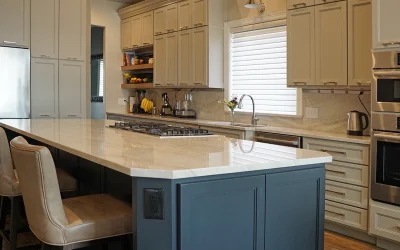
10 Kitchen Islands as Hardworking as They Are Handsome
Discover 10 beautiful and hardworking kitchen island ideas that combine smart storage, durable materials, and comfortable gathering space for Tulsa homes.
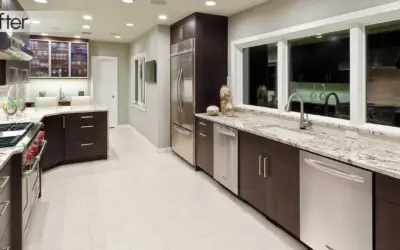
Before You Design Your Tulsa Kitchen, Read This: The Hidden Resources That Separate Average Remodels from Extraordinary Ones
At The Buckingham Group, we have spent more than 45 years helping Tulsa homeowners design kitchens that are not only beautiful, but highly functional, durable, and tailored to the way they live.

You’ll Wish Your Bathroom Did This: How Smart Materials & Tech Are Transforming Bathrooms
We begin each project by evaluating structural integrity, verifying proper support, and ensuring the space can safely accommodate modern upgrades without compromising stability.