
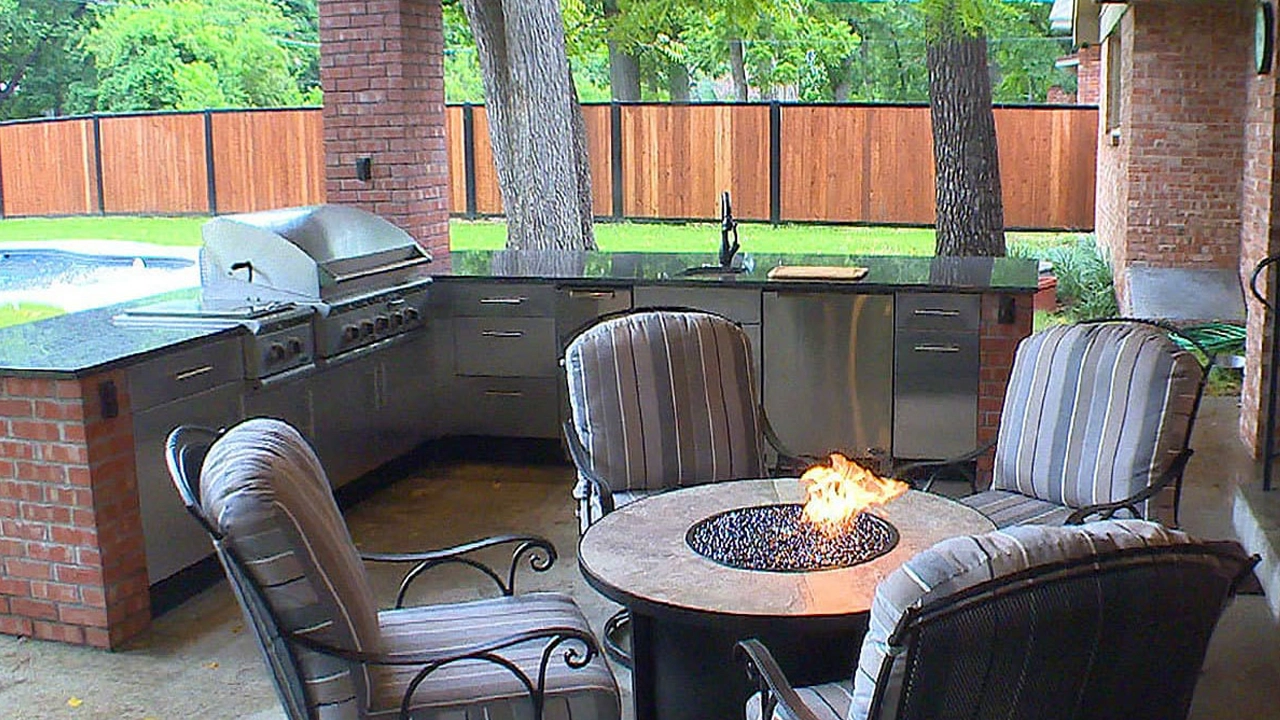
Outdoor kitchens have become one of the most desirable investments for homeowners in Tulsa. But not all outdoor kitchens are created equal. Some feel natural — as though they were always meant to exist within the landscape and architecture of the home. Others feel added on, disconnected, or uncomfortable to use.
The difference rarely lies in the grill brand or countertop material. It lies in coordination.
When the existing landscape, the architectural character of the home, and the human element are thoughtfully integrated, an outdoor kitchen becomes refined, functional, and durable for decades. When they are not, even expensive materials cannot compensate.
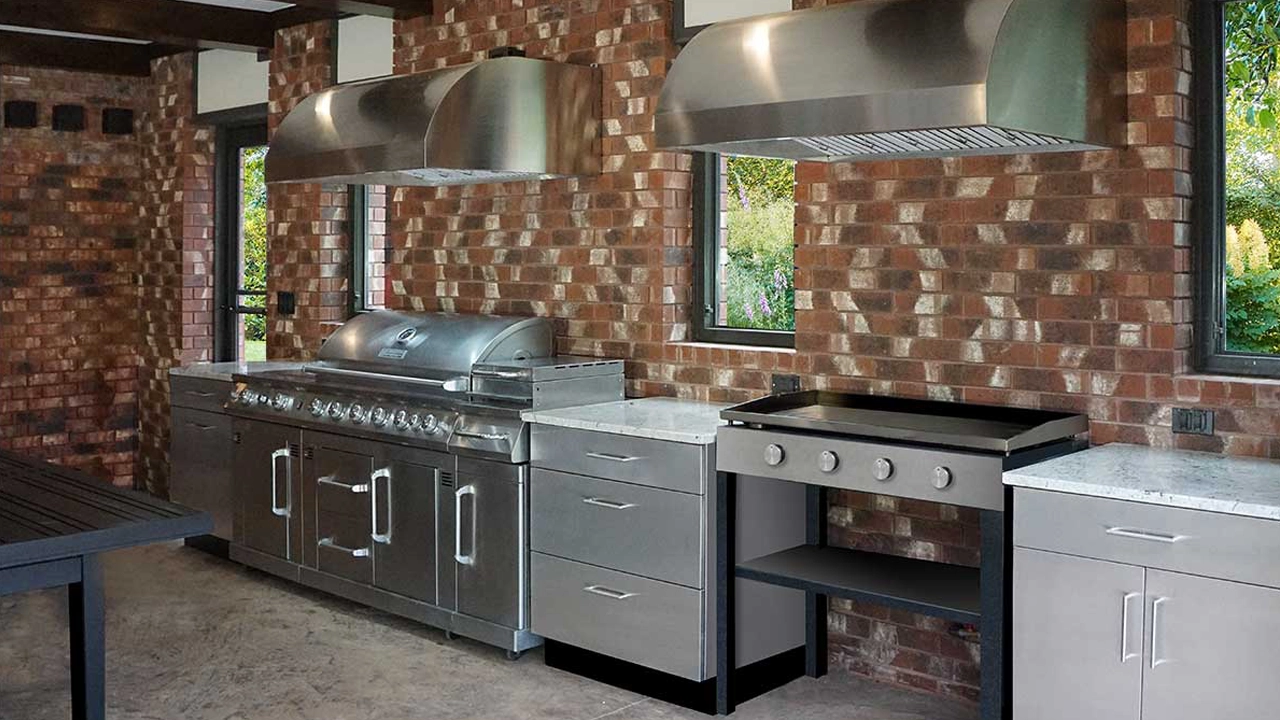
Understanding the Existing Landscape
Every successful outdoor kitchen begins with what already exists. Topography, drainage patterns, prevailing winds, sun exposure, and mature landscaping all influence design decisions.
In Tulsa, seasonal shifts matter. Summer heat, spring storms, and fluctuating humidity levels require material selections that withstand expansion, moisture exposure, and temperature swings. Stone, masonry, stainless steel grades, and proper ventilation all become critical long-term durability decisions.
But durability is not only about materials. It is about positioning.
Where does afternoon sun hit the patio? Where does shade fall naturally? Is the outdoor kitchen protected from prevailing winds? Does smoke drift toward seating areas?
Ignoring these factors results in discomfort — and discomfort shortens usage. An outdoor kitchen should extend living space, not create inconvenience.
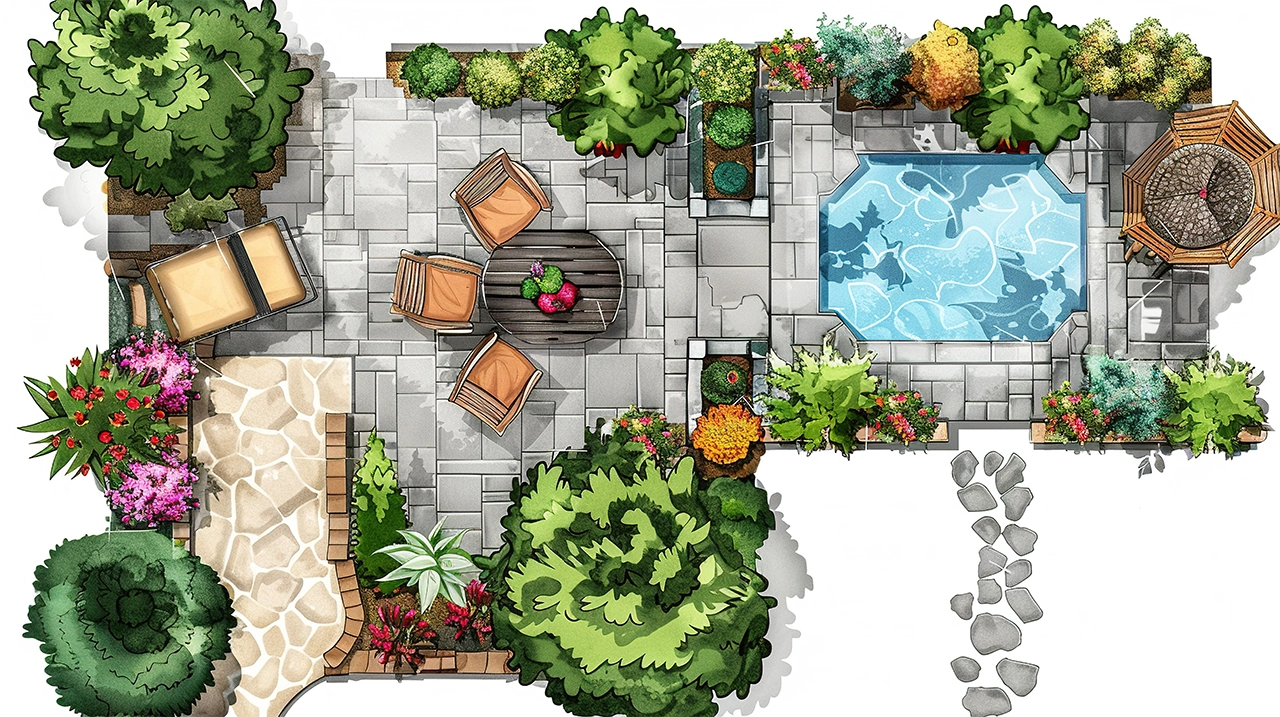
Architectural Continuity
An outdoor kitchen should feel like an extension of the home’s architecture, not a separate project.
Rooflines matter. Column proportions matter. Masonry alignment matters. Even trim profiles influence whether the outdoor structure feels integrated.
Material selection must echo — not duplicate — the existing structure. Subtle coordination produces refinement.
The Human Element
Outdoor kitchens are not staged photographs. They are used spaces.
True functionality begins with human movement. How far does someone carry food from interior to exterior? Where do guests naturally gather? Is there sufficient landing space next to the grill?
A refined outdoor kitchen accounts for prep space, cold storage, discreet trash placement, seating orientation, and layered lighting.
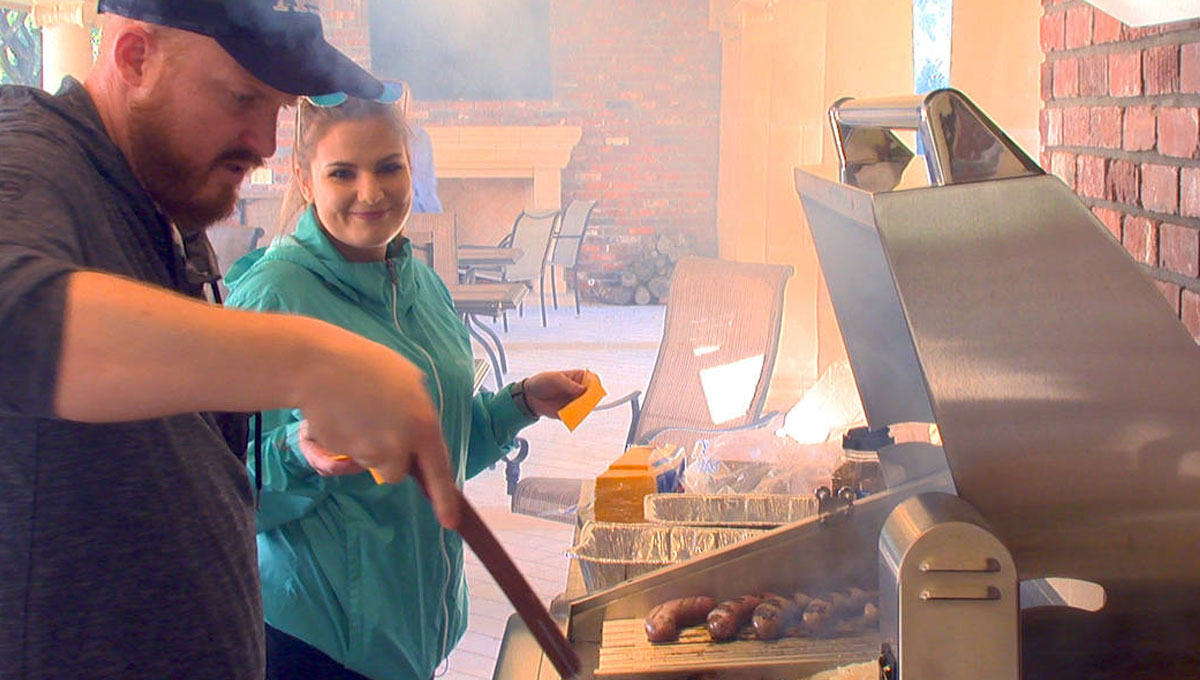
Comfort is engineered.
Durability and Climate Considerations
Outdoor kitchens must endure more than interior kitchens. Weather exposure accelerates wear. Moisture penetrates improperly sealed surfaces. Heat fluctuations stress materials.
Structural framing, substrate selection, drainage control, and ventilation planning matter before finishes are installed.
Cabinetry should be exterior-rated. Countertops must resist UV degradation. Electrical components require weather-rated installation.
Integration with Landscape Design
The surrounding landscape should not be an afterthought. Hardscape, plantings, retaining walls, and sightline framing influence how the space feels.
Drainage must move away from structural components. Hardscape slope must direct runoff properly.
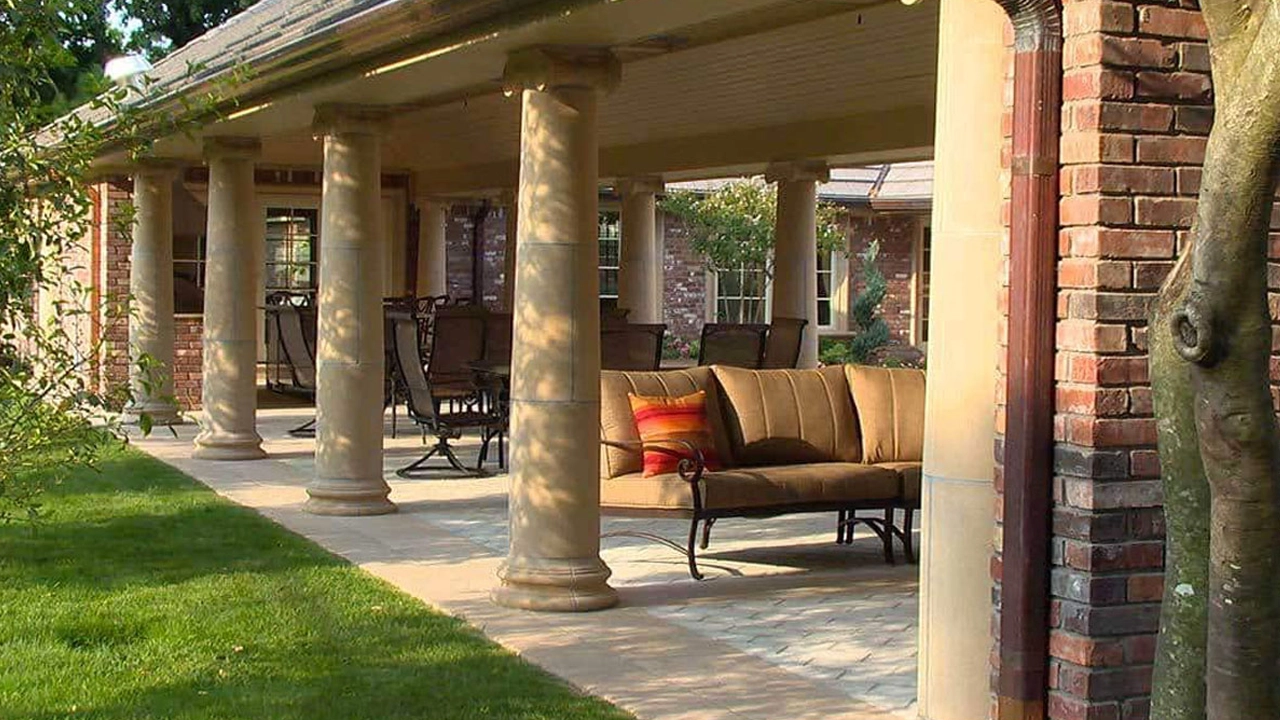
Coordination with the Interior Kitchen
When outdoor kitchens connect visually to interior kitchens, the relationship must be studied carefully. The goal is complement — not duplication.
The Design-Build Advantage
Outdoor kitchen construction involves structural engineering, electrical planning, gas routing, plumbing, masonry, and finish coordination.
A design-build approach ensures planning, pricing, engineering, and construction align from the outset. Detailed scope development clarifies materials and layout before installation begins.
Critical Path Scheduling reduces disruption and prepares the space for seasonal entertaining.
Long-Term Value
Outdoor kitchens influence both resale appeal and quality of life. When built with durability and coordination in mind, they provide decades of use.
A refined outdoor kitchen is defined by integration. Landscape informs placement. Architecture informs materials. Human behavior informs layout. Durability informs construction.
When these elements align, the result feels effortless — even though the planning behind it was anything but.
© 2026 The Buckingham Group — Tulsa’s Premier Design-Build Remodeler | www.bgtulsa.com
More Outdoor Living Remodeling Projects & Design Inspiration
No Results Found
The page you requested could not be found. Try refining your search, or use the navigation above to locate the post.
Recent Remodeling Insights
Free Estimate vs Design-Build: Which Remodeling Approach Truly Protects You?
A fully developed design and scope leads to a fixed-price proposal, providing clear and reliable budget certainty before construction begins.
Bathroom Remodeling in Your Home: What Most Homeowners Get Wrong—and How to Get It Right
Bathroom remodeling is one of the most popular—and most misunderstood—home improvement projects. While many homeowners think of it as a cosmetic upgrade, a well-planned bathroom remodel can dramatically improve daily comfort, long-term livability, and the value of your home.
You’ll Wish Your Bathroom Did This: How Smart Materials & Tech Are Transforming Bathrooms
We begin each project by evaluating structural integrity, verifying proper support, and ensuring the space can safely accommodate modern upgrades without compromising stability.